
 1°
1°  2 կմ/ժ


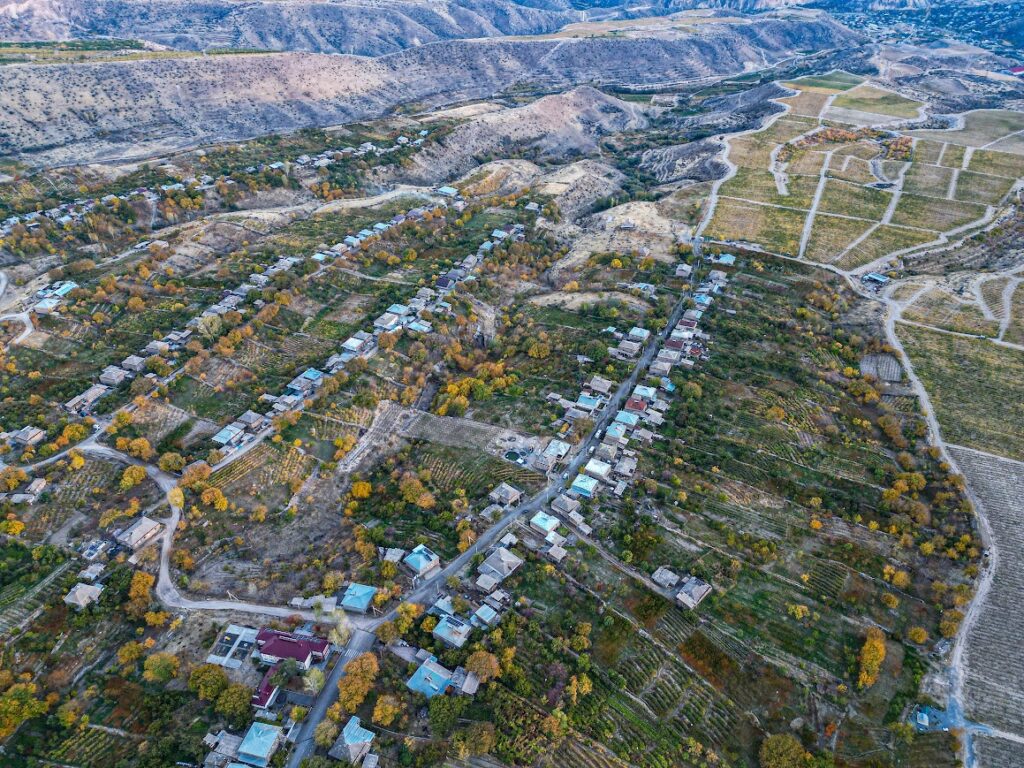
The history of daily life in Rind resembles a bridge connecting ancient traditions with modern civilization. As in the rest of Vayots Dzor, the livelihood of our ancestors was arduous, yet filled with wisdom and harmony with nature.
Life in the Old Village: Tonir, Kursi, and Erdik
In Old Rind, life was centered in humble, mud-built huts, of which only one or two remain today as silent witnesses of the past. The heart and soul of daily life back then was the tonir (underground clay oven). It was used not only for baking lavash; the tonir was where meals were cooked, water was heated, and in winter, it became the sole source of warmth for the home.
During the winter frosts, a kursi was placed over the tonir—a square, low wooden table covered with thick blankets and carpets. Family members would sit around the kursi, tucking their legs under the warm blankets to dine, sleep, and spend long winter evenings. The erdik (skylight) in the roof served two purposes: it illuminated the dark corners of the hut and allowed the smoke from the tonir to escape.
Household Goods and Traditions
The traditional kitchen-house (hatsatun) held its own mysterious items:
-
The Flour Ukag: Kept in a corner of the wall, this container sometimes hid “secret” apples for the sick.
-
Grandmother’s Chest: The most alluring item for children, where sweets were kept under lock and key, brought out only in cases of great necessity.
-
The Khnotsi (Churn): One of the most important tools. It was hung from a rope passed over a ceiling beam. By churning the khnotsi, villagers produced butter and tan (buttermilk), which were used to make traditional “spas” and “shorva” soups.
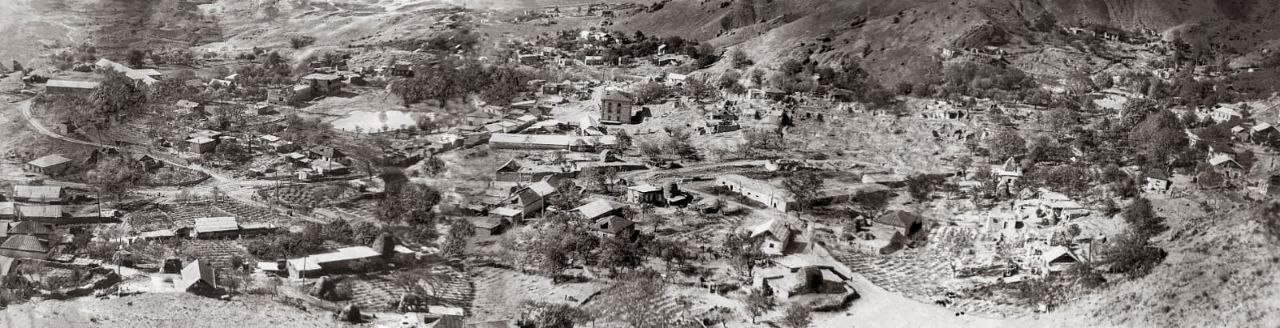
For guests, there was a separate ghonagh-otakh (guest room), where beds adorned with handmade carpets and rugs always stood ready.
Carpet Weaving and Daily Routine
Carpet weaving has deep roots in Rind. Carpets were woven using cotton or wool threads, while the floors were covered with felt mats (taghik) made by the villagers themselves. Unfortunately, in recent years, this craft has gradually faded into oblivion. After a hard day’s work, men would gather in the village center. Cultural entertainment was limited: those who could afford it went to the cinema, while others gathered at the local club.
New Rind: The Breath of Modern Civilization
The sharp change in lifestyle began with the move to the new village. New Rind features a clear and well-organized layout with wide streets and intersections. Most houses are two-story stone structures.
-
The First Floor: Formerly used as a summer kitchen and cellar for storing the year’s harvest—wine, vodka, dried fruits, and flour. Today, these spaces are being renovated into comfortable, modern living rooms.
-
The Second Floor: Reserved for primary bedrooms and spacious halls.
Today, Rind is a community living with modern, “smart” solutions. Despite the absence of natural gas, villagers skillfully combine traditional heating (wood, coal) with the latest technologies. Today, solar water heaters and photovoltaic panels can often be seen on the rooftops. With fresh drinking water, fiber-optic internet, and a modern drainage system, Rind is a place where the warmth of the old tonir is respected, yet life moves in step with 21st-century civilization.