 9°
9°  9 կմ/ժ


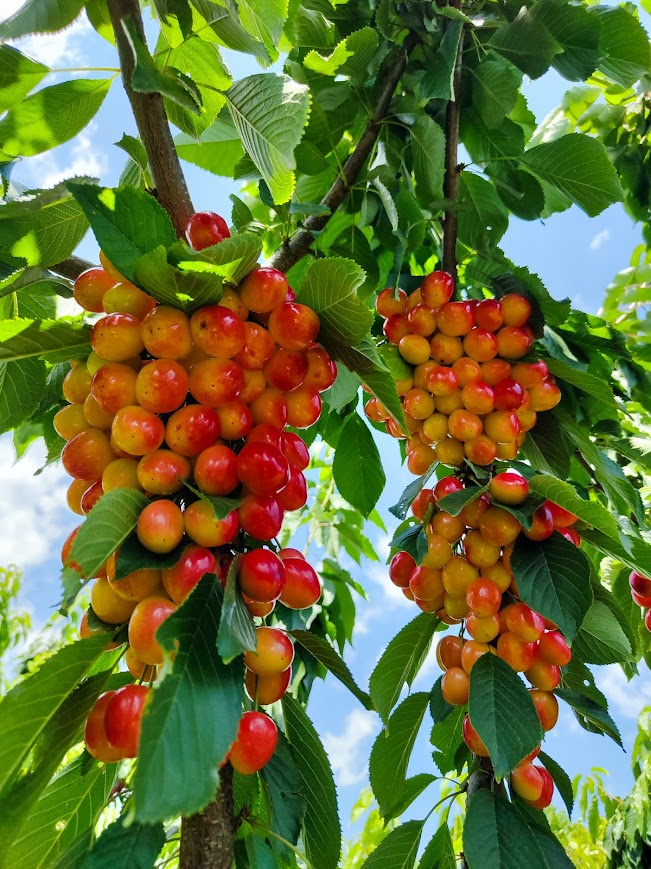
Rind, traditionally known for its winemaking heritage, has acquired another hallmark in the last decade, becoming one of the leading producers of sweet cherries (locally known as “Gilas”) in Vayots Dzor and the entire Republic. While cherry trees were traditionally cultivated solely for household needs, today this sector has transformed into a strategic industry, ensuring a significant part of the village’s prosperity.
Economic Leap:
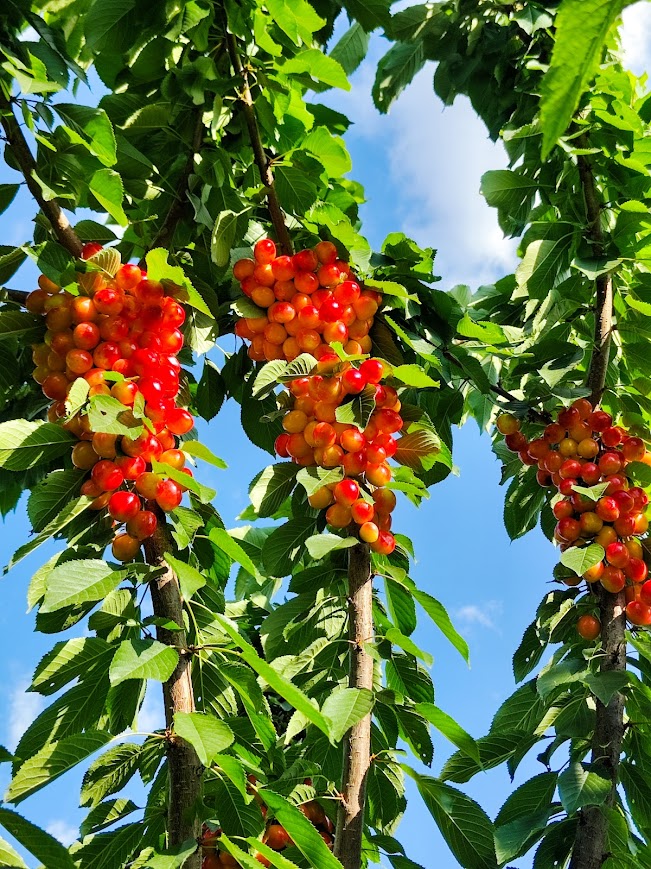
The 200-Ton Threshold Starting from the 2010s, a sharp increase in cherry orchards was observed in Rind. A unique feature of this expansion is that the vast majority of trees are located within the settlement itself—in backyard plots—turning the village into a blooming fairytale in spring and a bountiful orchard in summer.
Today, almost all households have a harvest available for sale, ranging from a few hundred kilograms to several tons. According to estimates, in recent years, more than 200 tons of high-quality cherries have been exported from Rind annually. The primary market is the Russian Federation, particularly large supermarket chains in Moscow, where Rind’s cherries are valued for their unique flavor profile and quality.
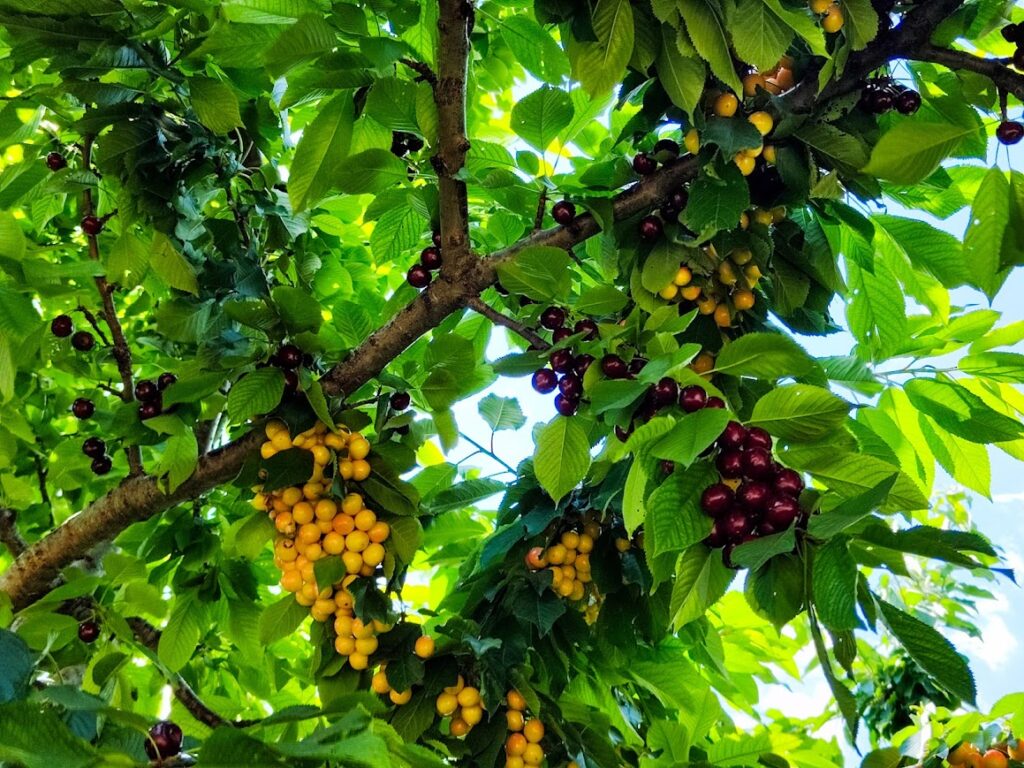
Variety Diversity: From May to July The climatic conditions of Rind allow for a prolonged harvest season—from late May to mid-July. Both local and European varieties are widespread in the village, which the locals refer to by their own unique names:
- “Mayisyan” (May Variety): The early ripener that heralds the opening of the season in late May.
- “Srtik” (Bull’s Heart): A variety with large, dark red, heart-shaped fruits, known for its juiciness and attractive commercial appearance.
- “Yezan Achq” (Ox Eye) and “Yerkar Poch” (Long Tail): These usually correspond to late-ripening, large-fruited varieties (often Drogan Yellow or Napoleon type), which have firm flesh and are excellent for transportation.
- “Janfida” and “Chal”: Local selections or varieties adapted to the region, distinguished by unique color shades (reddish-yellow).
- “Deghin” (Yellow): Typically used for compotes and white jams.
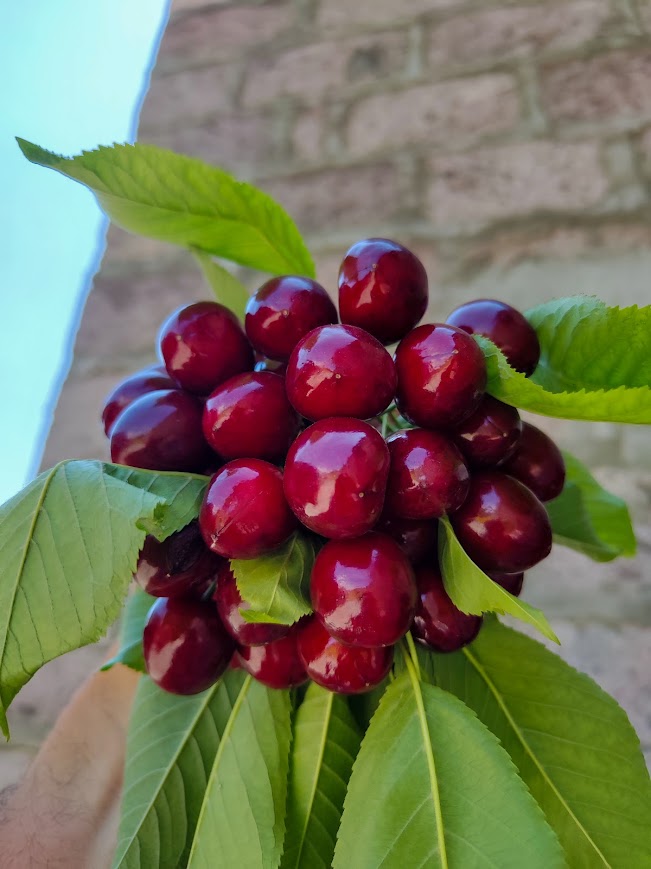
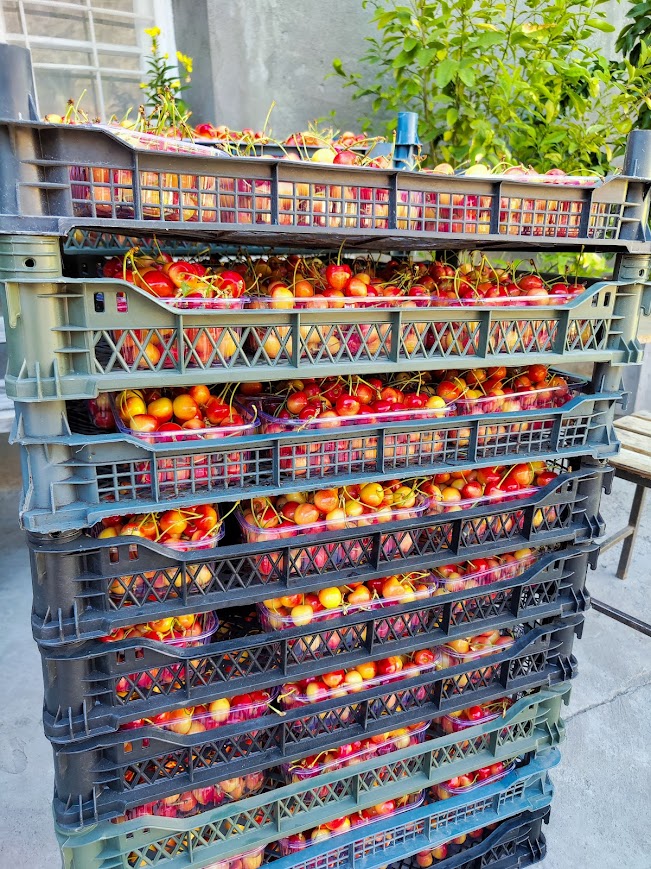
Logistics and Pricing The process of selling cherries in Rind is established on a high level. Unlike many other communities where farmers must transport their harvest to the market, here, collection is carried out directly from the farmer’s gate. Prices range from 600 to 1100 AMD, depending on the variety, size, and quality. Procurement organizations perform professional sorting and packaging in special crates on-site for export.
Fact: The conscientious work of the procurement organization and its contribution to the economic development of the community has been highly appreciated; in 2025, the organization was awarded a Certificate of Appreciation by the Areni Municipality.
Health Benefits and Usage Rind’s cherry is not only delicious but also a true vitamin bomb. It contains:
- Sugars: up to 11.5%
- Organic acids: 1.33%
- Vitamins: B1, B2, C (15 mg), E
- Microelements: Potassium, iron, magnesium, phosphorus
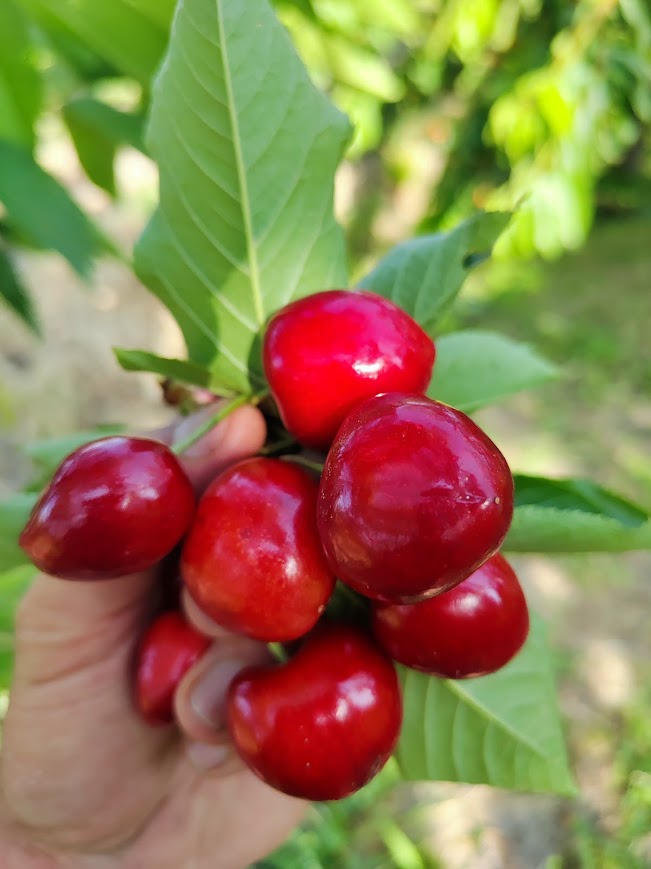
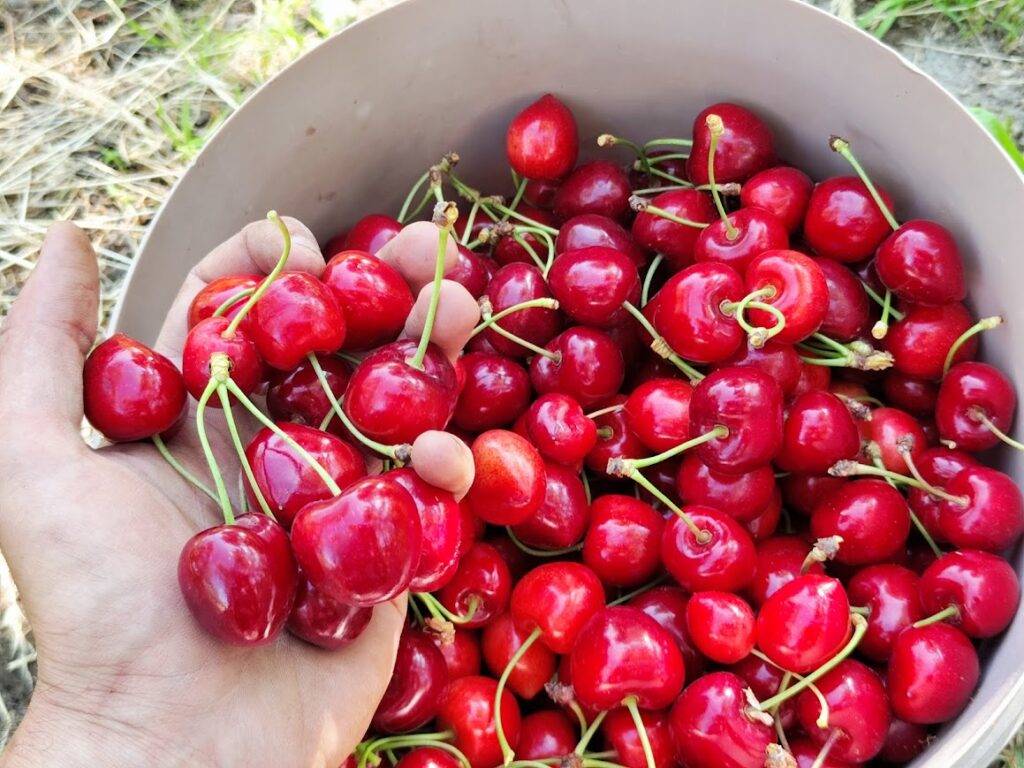
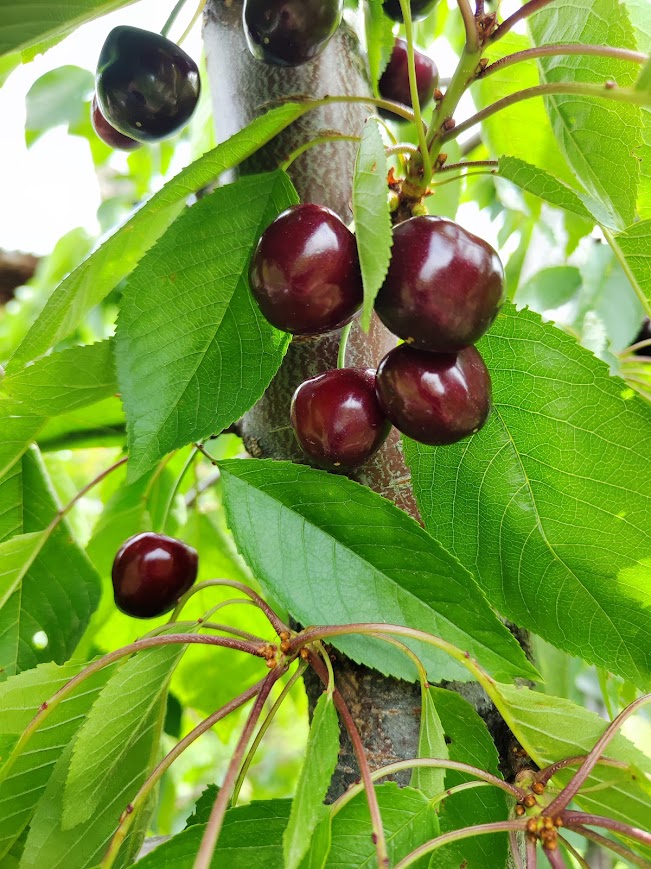
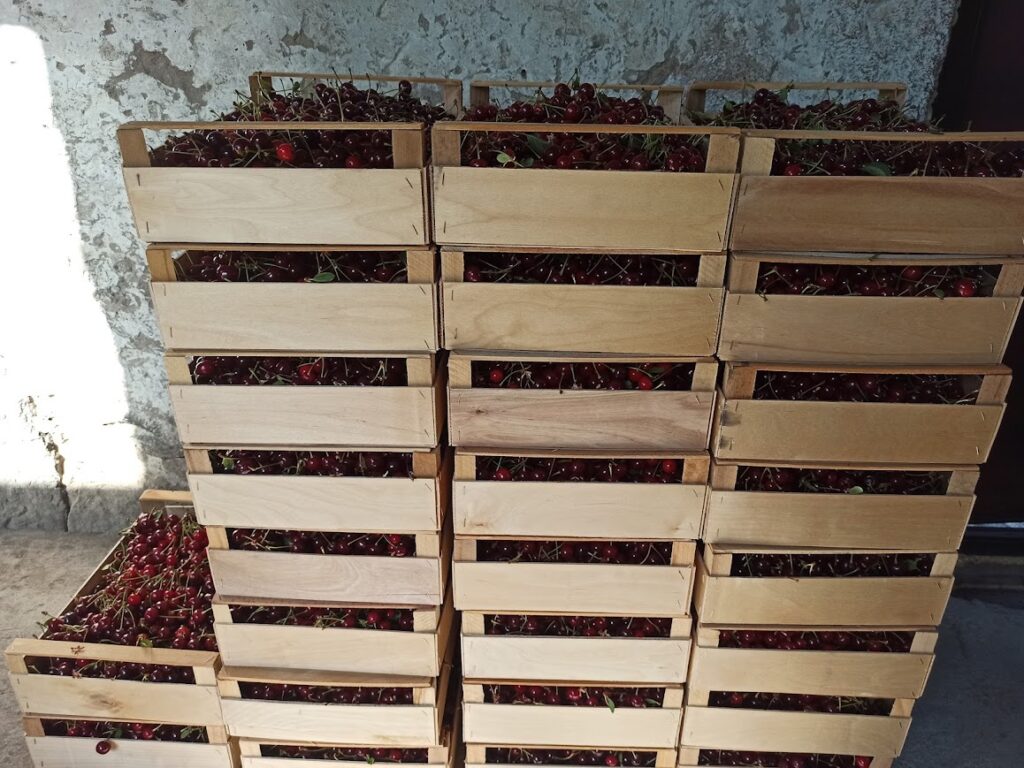
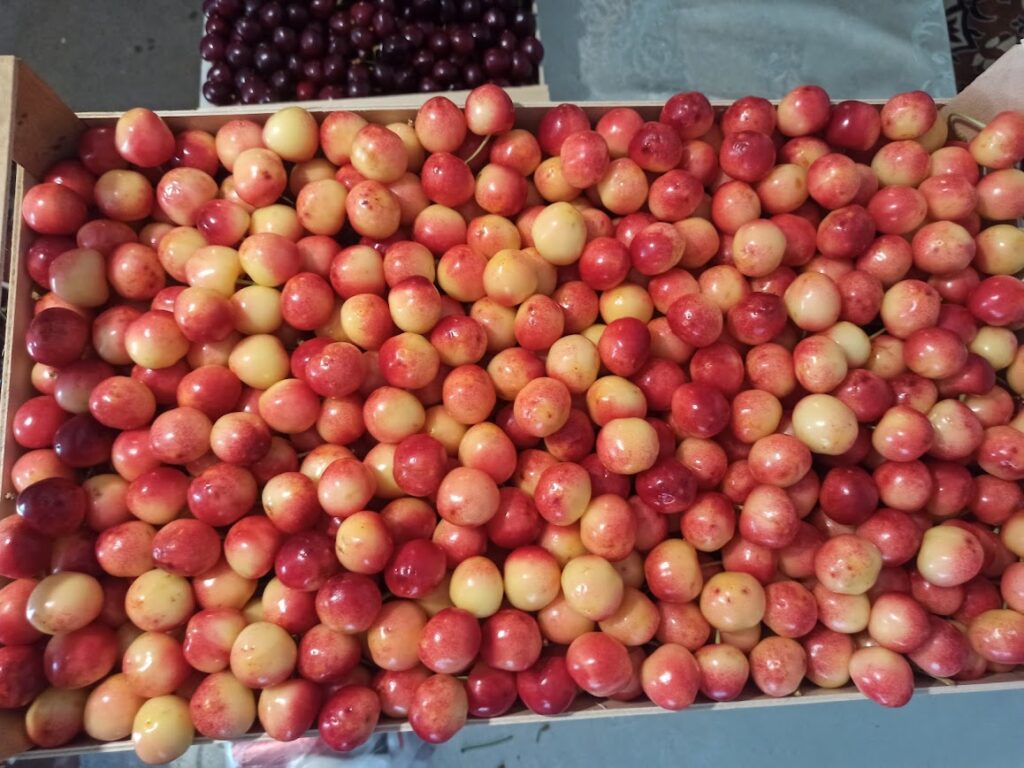
In addition to fresh consumption, the people of Rind prepare heavenly compotes, juices, and jams. In recent years, dried fruit production has also gained momentum. Sun-dried cherries (both with and without added sugar) have become a sought-after delicacy.
Ecology: The Bee and The Cherry Tree The guarantee of a bountiful harvest is not only the soil and water but also pollinators—especially bees. Beekeeping and cherry cultivation in the village are interconnected: bees ensure pollination of the orchards, and the blooming orchards ensure an abundance of honey. Farmers strictly follow safety rules: it is forbidden to spray trees during daylight hours when bees are active. Treatment works are carried out late in the evening when bees return to their hives. This conscious approach preserves the balance of nature and ensures an ecologically clean harvest.