 13°
13°  13 կմ/ժ


Tsaghkadrunk
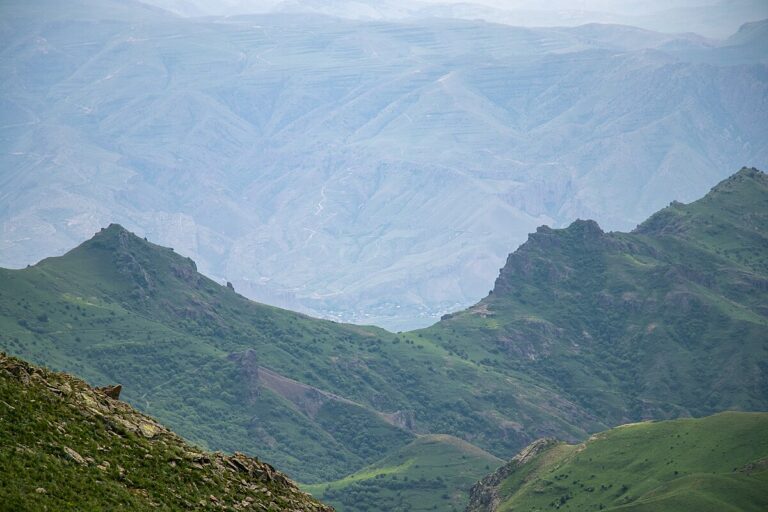
Tsaghkadrunq is a picturesque mountain pass in Vayots Dzor, located in the southwestern branches of the Karkatar mountain range, about 7 km north of the village of Rind. It is not only a unique natural bridge but also an important geographical hub for the region.
Although the pass officially received the name “Tsaghkadrunq” by a decision of the Armenian government in 2006, it is better known among the locals as “Hacha”. In the local dialect, this word describes a “bifurcated opening” or “forked gorge”. This folk name fully reflects the terrain’s relief: it is from the heights of Tsaghkadrunq that the mountain massif branches out, giving rise to the two prominent peaks of Karkatar—Drakhtisar and Nare.
Additionally, Tsaghkadrunq serves as an important natural watershed line, separating the Ynguzats Gorge from the Shresht Canyon.
Rich Nature and Community Significance
The mountain pass stands out for its rich flora and panoramic, sweeping views. Especially in the spring months, the slopes of Tsaghkadrunq turn into a true natural treasury. Residents of Rind and neighboring villages gather various medicinal herbs, wild edible plants, and rare types of mushrooms here.
The pure mountain air, pristine nature, and unfolding views have also made this place a beloved recreation area. To make this beautiful corner of nature more welcoming, a group of young people from the village initiated and built a beautiful wooden pavilion where passersby and nature lovers can rest, eat, and enjoy the mountain tranquility.
Strategic and Historical Role
Historically, Tsaghkadrunq has had great economic and communication significance. Through the lower and relatively easily passable section of the pass runs the ancient mountain road that connects the village of Rind with the historical Spitak Vank (White Monastery) and the Vardanes settlement site. It continues to serve as an important route for hikers, shepherds, and those carrying out agricultural work.