
 4°
4°  7 կմ/ժ


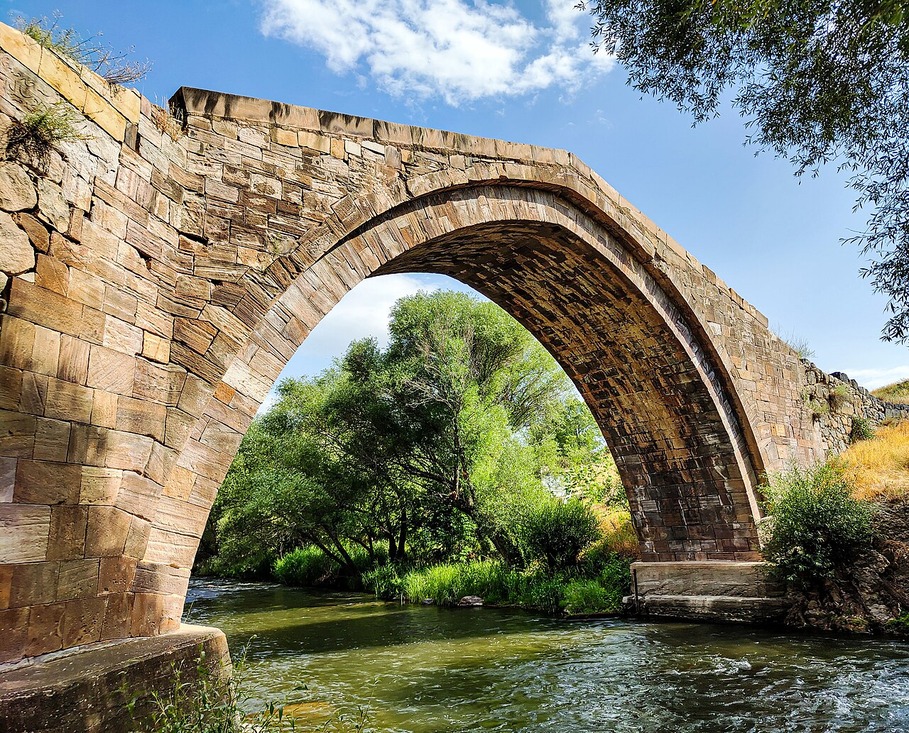
By the late spring of 1921, Vayots Dzor was caught in a historic whirlpool. Following the advance of the Red Army, local militias, volunteer groups, and Dashnaktsutyun fighters were forced to retreat to the high mountains—to the inaccessible heights of Gndevaz and Jermuk. However, leaving behind one’s ancestral home and land was impossible; it was a “mountain torrent” preparing to pour down and sweep away every obstacle in its path.
During the June campaign, Armenian forces launched their final assault. The People’s Army, bypassing the mountains of Vernashen, liberated Yeghegnadzor in a lightning strike. The Red Regiments, unable to withstand the blow, retreated in panic, leaving behind massive warehouses of weapons and ammunition.
One of the most brilliant episodes of this triumphal march is linked to Mher Balyan of Rind, a figure whose name is synonymous with the self-defense and liberation of Vayots Dzor’s villages. This article is based on the memoirs of Dashnak fighter Garnik Zakaryan (presumably from Aghavnadzor), which were recorded by the historian Ashot Simonyan from Areni.
In those days, the boundary between the regular army and the people’s partisans had vanished. As Garnik Zakaryan testifies, everyone was dressed alike and armed with whatever they could find. Even the horses were without saddles—the only thing that mattered was moving forward. This was not a struggle for political ideologies, but a fight for the right to live and to return to one’s own hearth. One of the most critical episodes in the liberation of Vayots Dzor was the capture of the Agarakadzor bridge and Yeghegnadzor. Under Mher’s leadership, a company of one hundred men gathered from Rind, Aghavnadzor, Areni, and Yelpin launched a lightning offensive.
Mher’s strategy was clear and calculated: his tactical genius allowed them to seize the Agarakadzor bridge and the irrigation canal of the Getap orchards. The enemy troops were left on the dry “yellow lands” under the scorching sun, deprived of water. Without water, their “Vickers” machine guns became useless and fell silent.
However, the battle was fierce: “The air thundered with terrifying sounds. The roar of cannons was accompanied by machine guns and the regular volleys of infantry companies. The combatants grew more numerous and the lines more dense. This mutual exchange of fire lasted until late evening. Thousands of rifles and dozens of machine guns were firing, and four cannons began to rain shells like hail from the slopes of Aghavnadzor.” In these battles, the Armenian fighters showed exceptional bravery, capturing the cannons and finally breaking the enemy’s resistance. This victory cleared Vayots Dzor of foreign forces and allowed the villagers to return to their homes.
Despite these brilliant military successes, the enemy deployed another, more dangerous weapon: ideological warfare. Bolshevik propaganda had sown division among the Armenians. Many, exhausted by long years of war and believing the promises of a new order, began to side with the “Reds.”
Brother stood against brother. Although the Dashnak forces had won on the battlefield, internal division and ideological confusion made further resistance impossible. Seeing this fusion of forces and wishing to avoid unnecessary bloodshed, the Dashnak command decided to retreat toward Zangezur. It was a retreat from which there would be no return.
The Rout at Rind: A Defense of Honor
Peace, however, was short-lived. Soon, news arrived that the “Red Tabor” (Turkish units) had entered Rind. They committed atrocities against the elderly and plundered the inhabitants.
The people of Rind could not tolerate the violation of their honor. Upon hearing the news, Mher and his men immediately moved toward the village and cut off the path of the Turkish marauders near Lake Yeghegn (Yeghegnalich) and the “Yellow Hills.” They were joined by the cavalry from Garni under the leadership of Khnko. The Armenian side opened fire first, which decided the outcome of the battle.
“What? You ate our sour yogurt, touched the honor of an Armenian, beat our elders…”
This so-called “friendly” rout (carried out by the men of Garni and Rind) marked the end of the Turkish detachment in Rind. It is said that only those who were shown a path of escape through the canyon by old Andon of the Baghdoyents family—who took pity on them—managed to survive.
It is interesting to note a symbolic fact: back in early April, when the insurgent forces of Yerevan and Garni were retreating under the pressure of the Red Army, thousands of refugees and fighters found their first reliable refuge in Rind and Aghavnadzor. And so, in June, when Mher was fighting for the honor of Rind against the Turkish marauders, the cavalrymen of Garni, led by Khnko, stood shoulder to shoulder with them to return the favor.
The events of June 1921 in Vayots Dzor remain one of the most bittersweet yet heroic chapters of our history. The figure of Mher of Rind embodies the peasant-turned-commander who, when necessary, defends his land, his water, and his dignity. His name remains etched in the mountains of Vayots Dzor as a reminder that no barrier can stop a “mountain torrent.”
References: Ashot Simonyan, “Vayots Dzor: At the Crossroads of the 20th Century” (2011)