 14°
14°  14 կմ/ժ


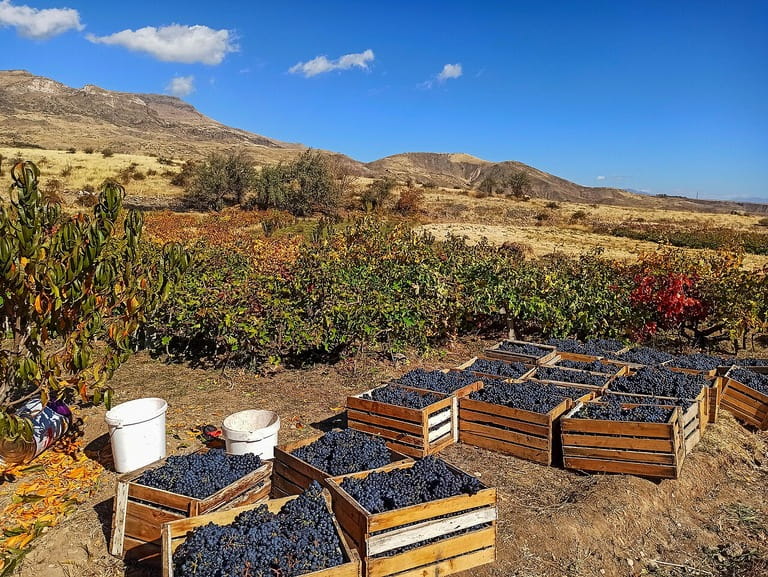
The history of Rind village and the cultivation of grapes have been intertwined since time immemorial. Here, viticulture is not merely a branch of agriculture; it is a way of life passed down through generations, becoming an inseparable part of the community’s identity.
When discussing Rind’s viticultural traditions, it is impossible to overlook the regional context. Just 2 km southeast of the village lies the Areni-1 cave, the world’s oldest winemaking site. The discovery of 6,000-year-old wine presses and vats there proves that we live in the cradle of viticulture. The traces of ancient vineyards preserved in the territory of Rind further attest to the fact that grape cultivation has been one of the primary occupations of the locals since ancient times.
Our ancestors, who settled in the Old Rind village, sacredly preserved indigenous endemic varieties. In those days, viticulture was primarily for domestic use. Each household cultivated just enough to meet its family’s annual needs.
The main varieties grown were:
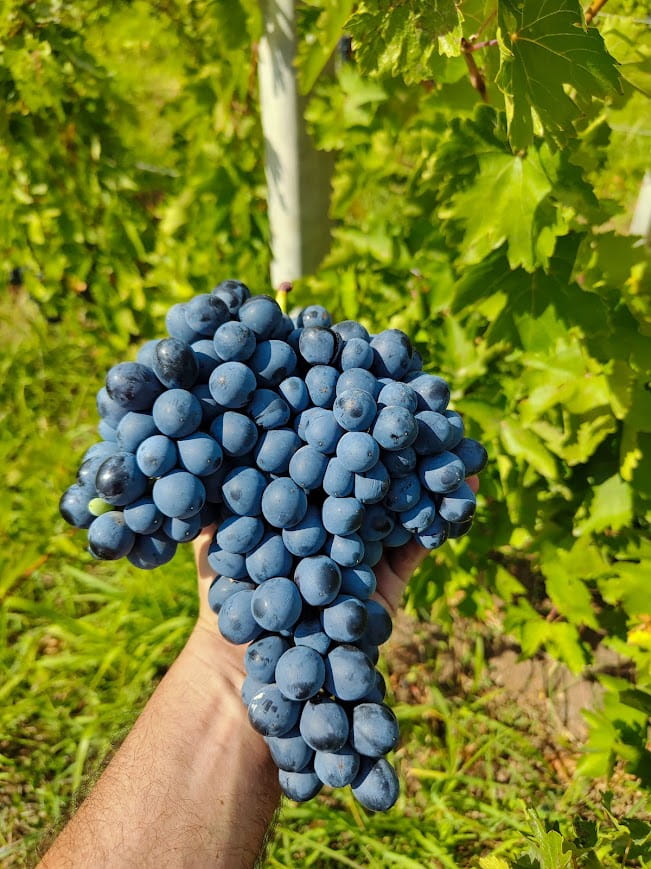
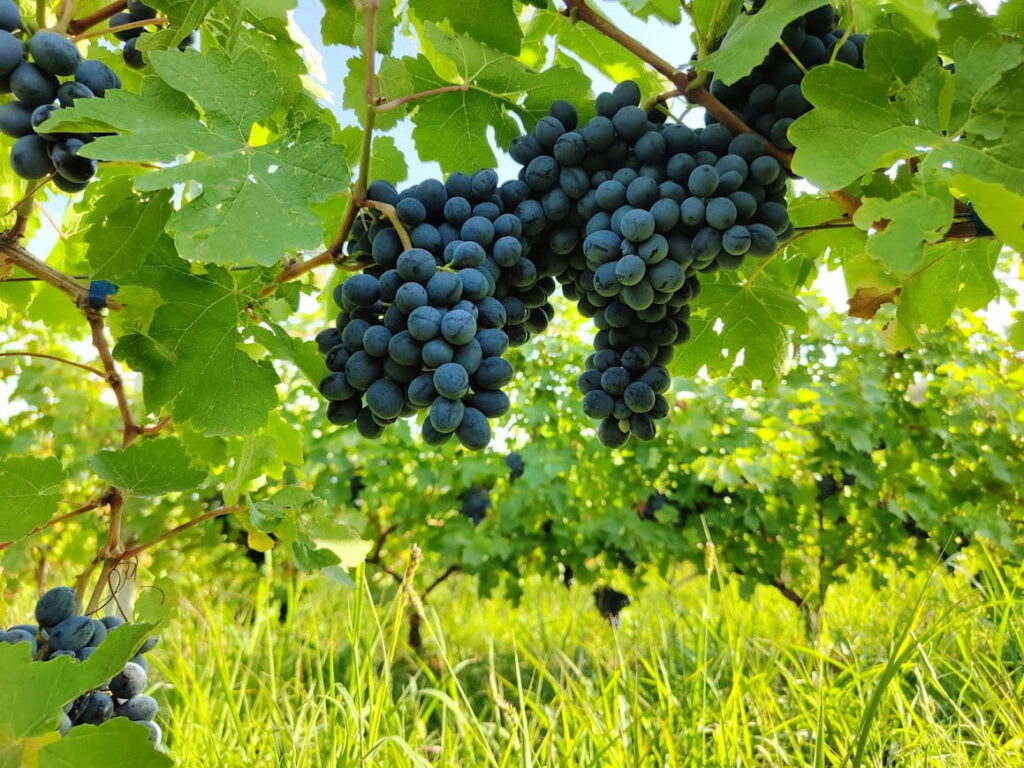
- Black Areni – The king of wines.
- Tozot – Known for its unique flavor characteristics.
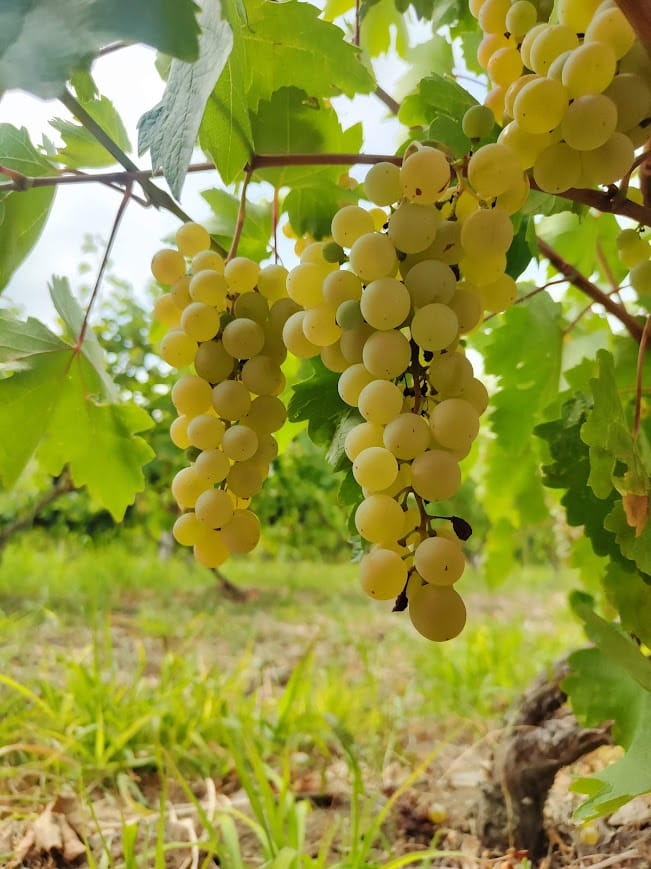
- Voskehat and various table grape varieties.
Grapes had a universal application. Besides being consumed fresh or distilled into delicious homemade wine and vodka, a special place was reserved for the preparation of raisins.
Tradition: Preparing the winter store was like a ritual. Special varieties of grapes were dried until they turned into amber-colored raisins. These were not just a dessert but a mandatory ingredient for winter festive tables, pilafs, and various traditional dishes.
The Evolution of Cultivation Methods
The founding of New Rind was a turning point for agriculture. A significant portion of household land—25-35%—was allocated to vineyards.
Initially, the traditional “embankment” (թումբ) method was used. This required arduous manual labor: the vineyards were irrigated through large furrows, and all cultivation and tilling were done exclusively by hand using shovels. An average household produced about one ton of grapes.
From the 2000s onwards, the picture changed. Increasing market demand dictated new approaches:
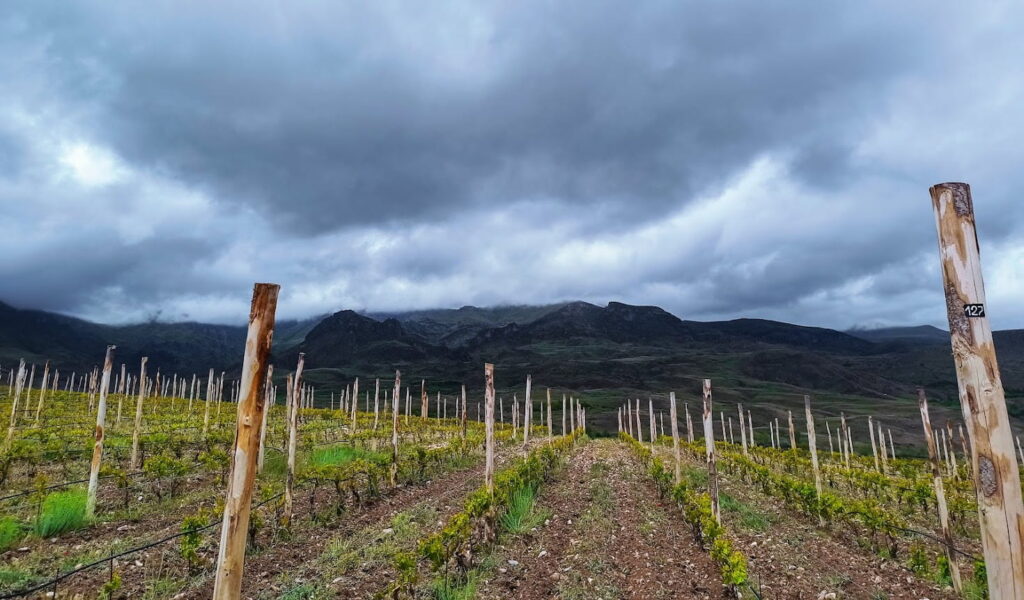
Trellis systems replaced the traditional embankment style.
Wooden supports gradually gave way to durable reinforced concrete posts (շպալային).
Mechanized cultivation methods were introduced, leading to a multi-fold increase in productivity and turning viticulture into a profitable business.
Rind’s “Terroir”: Why Our Grapes Are Unique
In winemaking, there is a concept called “terroir”—the harmony of soil, climate, and topography. Rind possesses divinely gifted conditions:
- Altitude: An elevation of 1300-1400 meters above sea level ensures ideal temperature fluctuations for the balance of sugar and acidity in the grapes.
- Soil: Soil rich in volcanic and limestone rocks gives the grapes a unique mineral taste and aroma.
- Sun: The abundance of sunny days promotes the full ripening of the fruit.
It is no coincidence that in the early 2000s, Italian-Armenian businessman Zorik Gharibian, after extensive laboratory testing of soil samples from various parts of Armenia, chose Rind to establish the world-renowned “Zorah Wines.”
Large Producers and New Challenges
During the years of independence, Rind became a hub for winemaking investments. Such brands as “Zorah”, “Meyron”, “NOA”, “SAVAR”, and “ARAR” established their vineyards in the village, alongside about a dozen experienced local farmers.
However, the sector is not without its challenges. The bulk of the grapes produced are purchased by large wineries, making farmers dependent on price fluctuations and procurement conditions. This lack of stability has forced some households to diversify their orchards, replacing grapevines with cherry, peach, and occasionally blackberry trees.
Grapes: A Source of Health
The sun-kissed grapes of Rind are not only delicious but also rich in beneficial nutrients:
- Resveratrol: A powerful antioxidant found especially in the skin of black grapes, known for slowing down aging processes.
- Vitamins: Rich in Vitamin K (for bone strength) and Vitamin C (for immunity).
- Minerals: Contains potassium, which helps regulate blood pressure.
Viticulture in Rind is not just work; it is a dialogue with nature. Despite market difficulties, the people of Rind continue to tend their vines, believing that the fruit of their land represents Armenia to the world at its best.