
 14°
14°  22 կմ/ժ


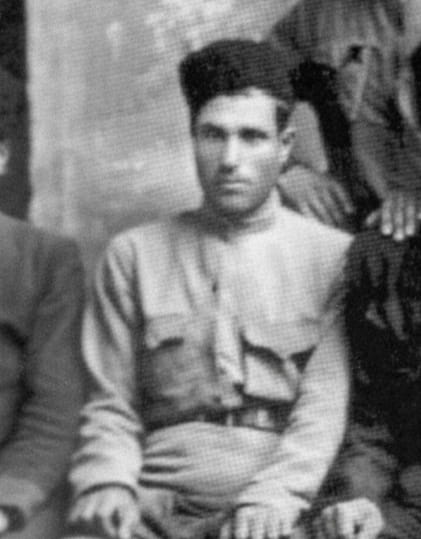
When turning the pages of Rind village’s history, it is impossible not to highlight Yenok Safaryan-Grigoryan (known as Safarents Yenok). He was one of those devoted individuals who, in the most critical and fateful moments, assumed the responsibility of leadership, becoming one of the key commanders of the self-defense forces of Vayots Dzor.
Yenok operated under the direct command of the legendary commander Yapon (Hovhannes Paronyan) and stood shoulder to shoulder with his comrade-in-arms, another fedayi from Rind, Mher Balyan.
Liberation of Kakavadzor: July 1918
In the summer of 1918, Vayots Dzor faced a serious danger. In the northern sector of Rind, known as Kakavadzor, a Turkish settlement called Ghozulja had entrenched itself like a weed. Under the leadership of Asad, it had become a den of marauders, keeping the Armenian population in terror. The enemy was positioned in impregnable heights, controlling every movement of the Armenians.
During those heated days of July, the joint detachment of Rind and Aghavnadzor (Aynazur), led by Yenok and Mushegh, had already cleared the positions in Jndrakhach and northern Chiva. At dawn, when Commander Yapon arrived at the positions alone, ahead of his troops, he addressed the squad leaders:
“What are you thinking? The Turks have entered right under your nose. They are about to devour us alive in Vayots Dzor.”
Yenok Safaryan replied: “We have thought about it, Mr. Yapon, but we lack the means.”
Upon receiving Yapon’s promise of weapons and support, Yenok and Mushegh sprang into action. The very next morning, elite units from Rind, Aghavnadzor, and Areni, divided into two groups, flanked the enemy via Ulguyr and launched a surprise attack, capturing the impregnable fortress. This victory was decisive for the safety of the province.
Defense of Sharur: May–July 1919
When the Ottoman troops retreated and, after a brief “English presence,” the defense of the border passed to the Armenians, Yenok Safaryan was appointed commander (Vashtapet) of the vanguard unit of the Vayots Dzor partisan battalion.
Under his command were the brave youth of Rind, Areni, and Aghavnadzor. His deputy was Mushegh. They descended into Sharur (Norashen) and positioned themselves there, performing a crucially important mission: ensuring the safe return of refugees and the protection of the Armenian borders.
The Retreat: July 20–25, 1919
Yenok’s high qualities were best displayed during the difficult days of July 1919. When the situation in Sharur became critical and Mushegh, dissatisfied with the orders of the superior command (Gharakeshisyan), had left, Yenok wrote him a letter:
“Mushegh, our troops are lost without you. Quickly gather all the deserter boys and come to our rescue. Come today; tomorrow will be too late.”
This testifies to Yenok’s ability to place the common cause above personal grievances.
When clashes with Turkish marauders began, Yenok took charge of protecting the warehouses in Norashen. He executed the most difficult order: at the last moment, he burned and blew up the Armenian warehouses so they would not fall to the enemy, and only then did he retreat to the cemetery hills, joining the main forces.
The Mud Crossing (Ցեխանց)
The most significant episode is linked to the organization of the Great Retreat. When thousands of refugees—elderly, women, and children—had to escape the encirclement, Yenok assumed the role of the vanguard.
The Rind platoon, led by Yenok and armed with only one machine gun, entered the swamps and mud of the Sharur rice paddies. With their bodies and weapons, they opened a path for the people, ensuring their safe passage to salvation. Yenok was the commander who came out last, ensuring that his people were protected.
Later Events
During the battles of November 1919, according to the memoirs of Garnik Zakaryan, the duties of the joint squad leader of Rind and Aghavnadzor had already been assumed by Mushegh. However, Yenok Safaryan remained one of the most influential and respected figures of the village and the province, whose name is written in gold letters in the chronicle of our self-defense.
Safarents Yenok embodies the spirit of a Rind resident: prudent when it is necessary to think, and unstoppable when it is necessary to act.
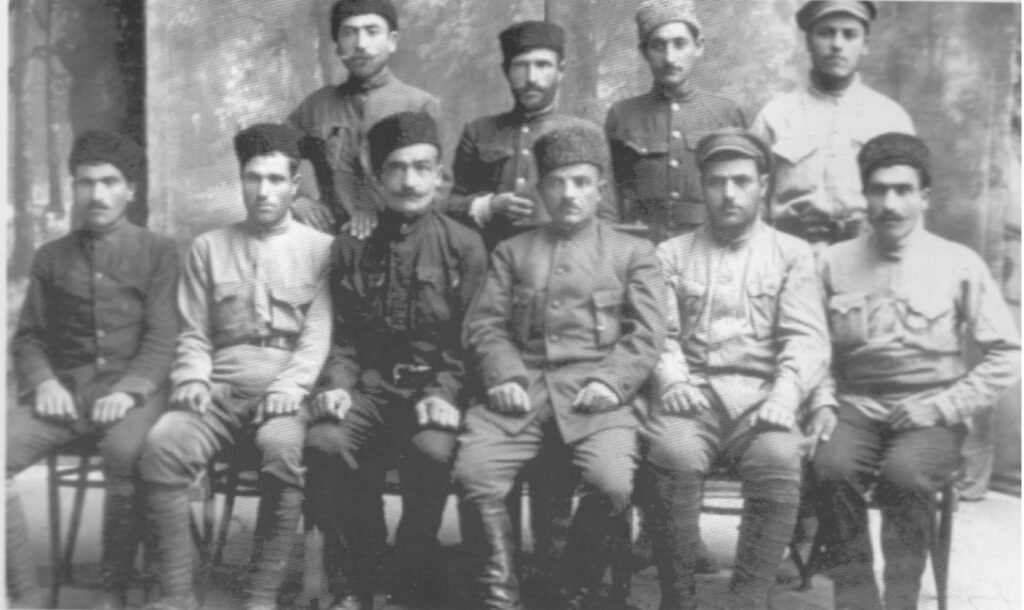
References: Ashot Simonyan, “Vayots Dzor: At the Crossroads of the 20th Century” (2011)