
 9°
9°  15 կմ/ժ


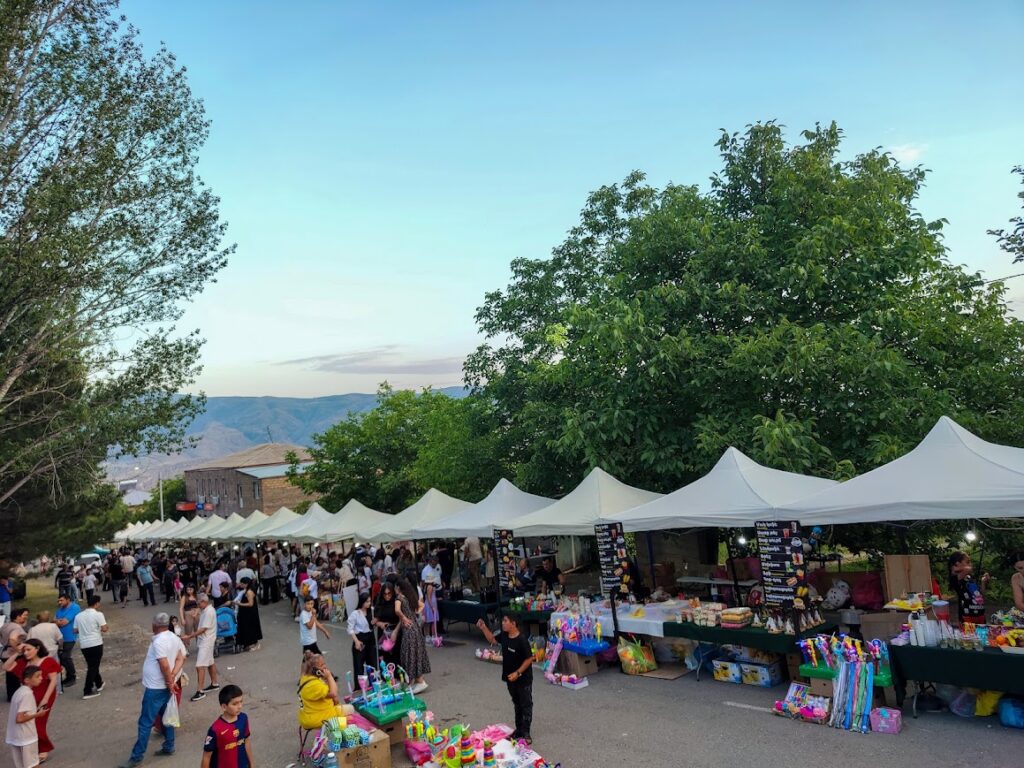
Rind is one of those unique settlements where rituals coming from the depths of centuries are not only remembered but continue to live, gaining a new breath. The life of the village is intertwined with the awakening of nature, Christian holidays, and community unity.
Domestic Rituals: Lavash and Sacred Family Ceremonies
One of the greatest events in Rind is the ritual of baking lavash. In the past, when flour was still obtained from watermills, the day of bread baking filled the entire neighborhood with an incomparable aroma. Although the bread was “black” in those years, it had the taste of blessing and abundance. Traditionalism has also been preserved in wedding ceremonies. Proposals, engagements, and weddings are still accompanied by ancient customs. It is interesting to note the change in the average age of marriage for women: if until the 1920s girls were married at 13–17, today that threshold has naturally moved to 18–24.
Ancient Festivals: Faith and Nature Worship
According to the accounts of the prominent ethnographer Yervand Lalayan and the memories of the village elders, festivals in Rind were celebrated with special solemnity:
-
Christmas (January 4–6): On January 4, a large bagharj (paghaj) was baked in every home, decorated with raisins and walnuts. A coin was placed inside; whoever found it in their portion was considered the “lucky one” of the year.
-
Blessing of the Waters and “The Cross Falls into the Water”: On January 6, a water-blessing ceremony was held by the stream. The priest threw a cross into the water, and the person who retrieved it became the “godfather of the cross” for the year. This symbolized health and an abundant harvest. On the same day, flour was smeared on the spot where the sun’s rays fell through the ceiling window (erdik) to welcome the victory of light over darkness. Children hung stockings from the roofs and sang “Alelu,” expecting sweets and roasted grains.
-
Saint Sarkis: At the end of the fast, children again hung bags from the roofs, and the housewives prepared pokhindz (roasted flour sweets) to distribute to relatives.
-
Barekendan (Carnival): This was a period of feasting and games. No one went to work from Thursday to Sunday. Horse races, kokh (wrestling), and snow games were organized. Brides and girls played on swings and danced.
-
Trndez (Presentation of the Lord): On February 13, a large bonfire was lit in the courtyards of newlyweds. People jumped over the fire, and the ashes were smeared on faces or put in hen houses as a symbol of fertility.
-
Palm Sunday and Easter: Blessed willow branches from Palm Sunday were kept until Easter. On Easter, an ox was slaughtered, eggs were dyed and “fought,” and visits were made to the graves of loved ones.
-
Hambardzum (Ascension – Jangyulum): In May, girls roamed from house to house with water from seven springs and flowers, singing and giving bouquets in exchange for butter, eggs, or rice. Milk pudding (katnov) was prepared in every home.
-
Vardavar (Water Festival): In the July heat, the whole village participated in splashing each other with water, regardless of age.
-
Grape Blessing: Occurring in late August, this ritual is vital for Rind as a viticultural center. Eating grapes before the blessing was considered a violation of tradition.
Modern Festivals and “Tadi Shorva”
State and international holidays—New Year, March 8, the May victories, and Independence Day (September 21)—hold a firm place in village life. May 1st is celebrated with particular grandeur in Rind, evolving into a folk festival where the entire village spends the day in nature.
In recent years, a new tradition has emerged: Community Day, centered around the “Tadi Shorva” event. This is a large celebration where guests from all over the republic are invited to enjoy cultural events and the village’s harvest, strengthening the bond between old traditions and modern Rind.