 0°
0°  7 կմ/ժ


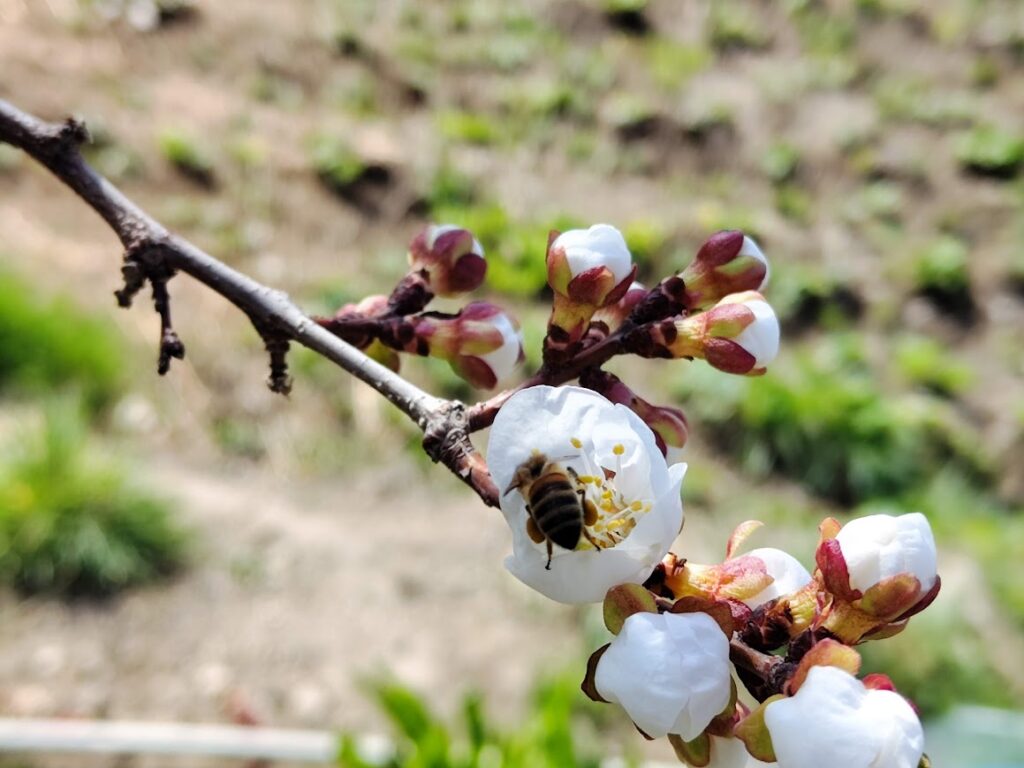
When we speak of Rind, the first things that come to mind are its rich history, ancient churches, and, of course, its wine. However, this sunny corner of Vayots Dzor possesses yet another calling card that literally sweetens people’s lives. We are talking about Rind’s honey—a unique result of the collaboration between nature and man.
Beekeeping in Rind is not merely an agricultural occupation; it is a lifestyle dictated by nature itself. Here, in the mountain heights, the bee and the beekeeper act as a single entity, following the path of the blooming flowers.
Nature’s Gift: Why Rind is Ideal for Bees
The key to successful beekeeping has always been, and remains, geography. Nature has been generous to Rind in this regard. The village territory covers an impressive range of altitudes, starting from 1,200 meters above sea level and reaching over 2,000 meters.
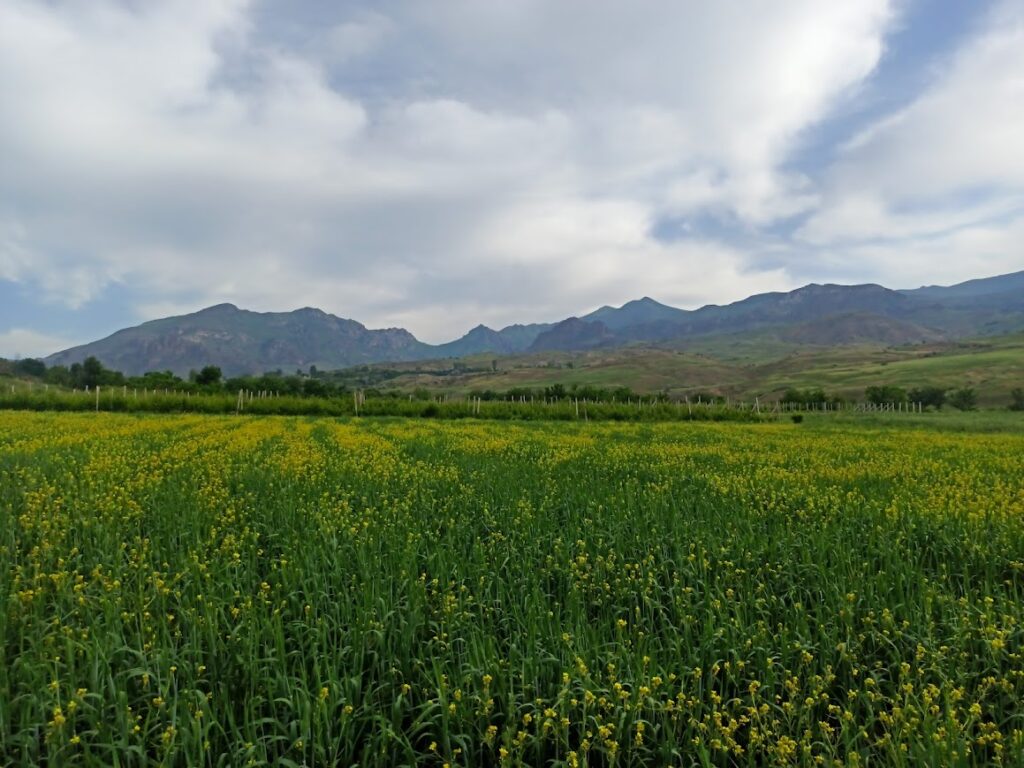
What does this offer? It ensures zonal diversity. When flowers in the lower zones have already withered, spring is just beginning in the high mountain zones. This allows the bees to work throughout a long season, constantly finding fresh nectar. Add to this the abundance of sunny days, a consistently warm climate, and pure air, and it becomes clear why Rind’s honey stands out for its quality.
A “Sweet” Journey: From Orchards to Spitak Vank
The beekeeper’s year in Rind begins in early spring. The journey of creating honey can be divided into three main stages, each imparting its own taste and aroma to the final result.
- Stage 1: The Village Orchards The beekeeping year starts right within the settlement. In spring, Rind transforms into a vast garden of blooming trees. Large areas of cherry, sour cherry, peach, and almond trees provide the bees with their first and most important food. The pollen from fruit trees is rich in vitamins, allowing bee colonies to develop quickly and gather strength.
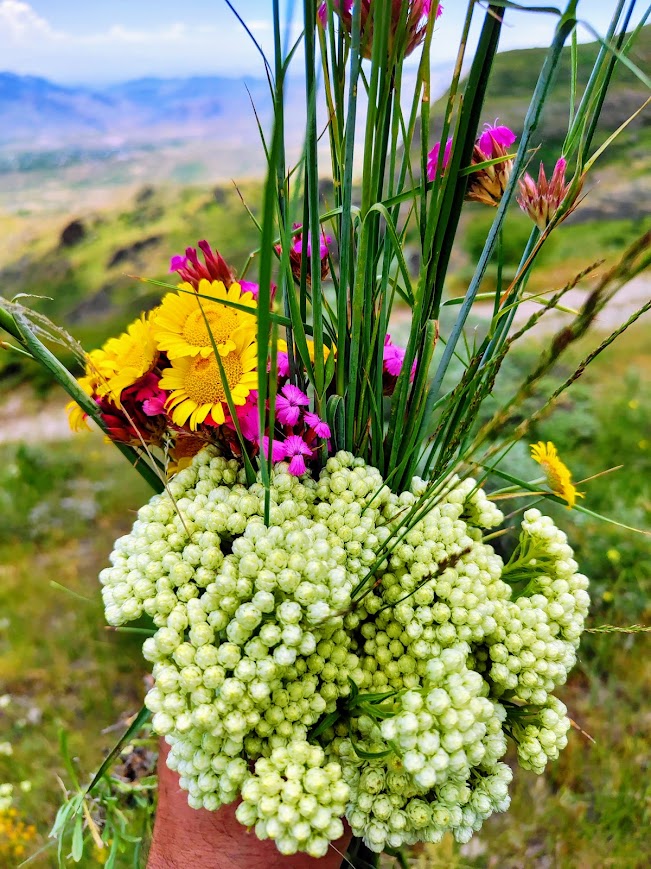
- Stage 2: The Kakavadzor Tract When the blossoms fall in the village, beekeepers move their hives to Kakavadzor. This is a mid-mountain zone dominated by wildflowers and herbs. The honey produced here is distinguished by its unique nutritional value and medicinal properties.
- Stage 3: Conquering the Heights – Spitak Vank The most important and challenging stage is the ascent to the Spitak Vank settlement area. Here, natural conditions are vastly different. Alpine meadows are rich in rare plant species, which give the honey a delicate aroma and transparency. However, Spitak Vank is important not only for its vegetation. In the summer heat, water is vital for the bees’ activity. This area is rich in cool springs and water resources, allowing bees to easily obtain necessary moisture without expending excess energy.
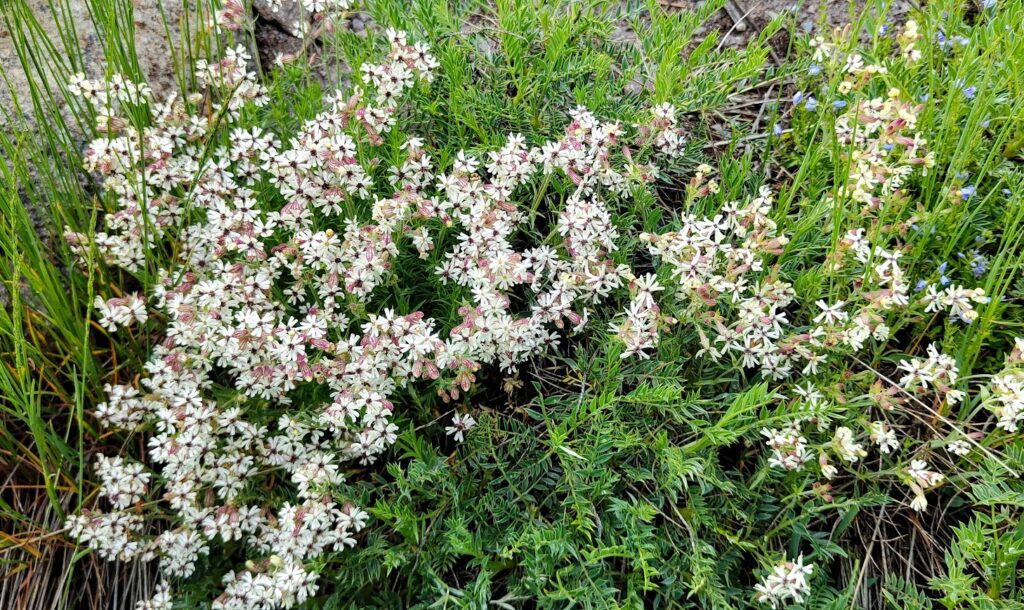
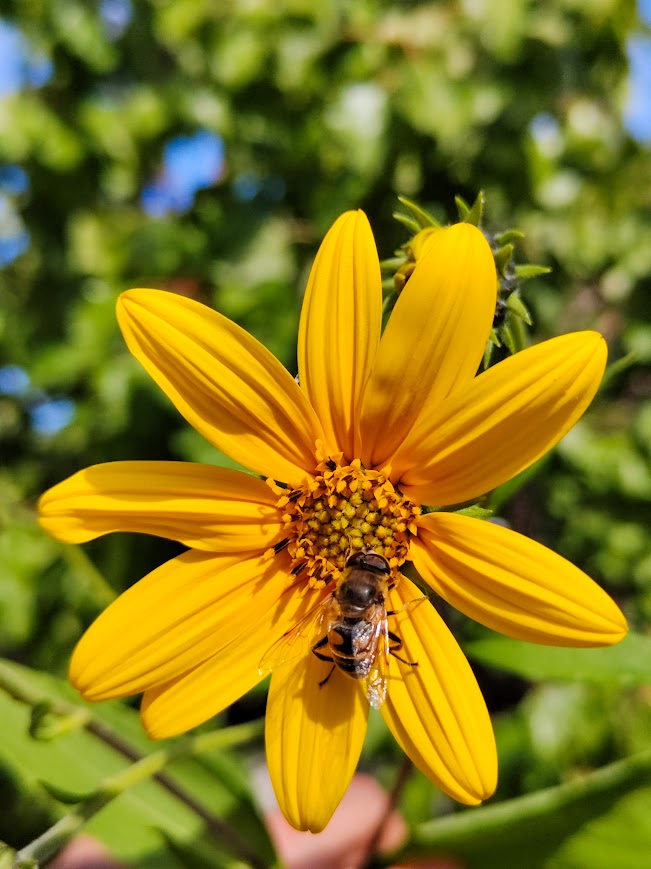
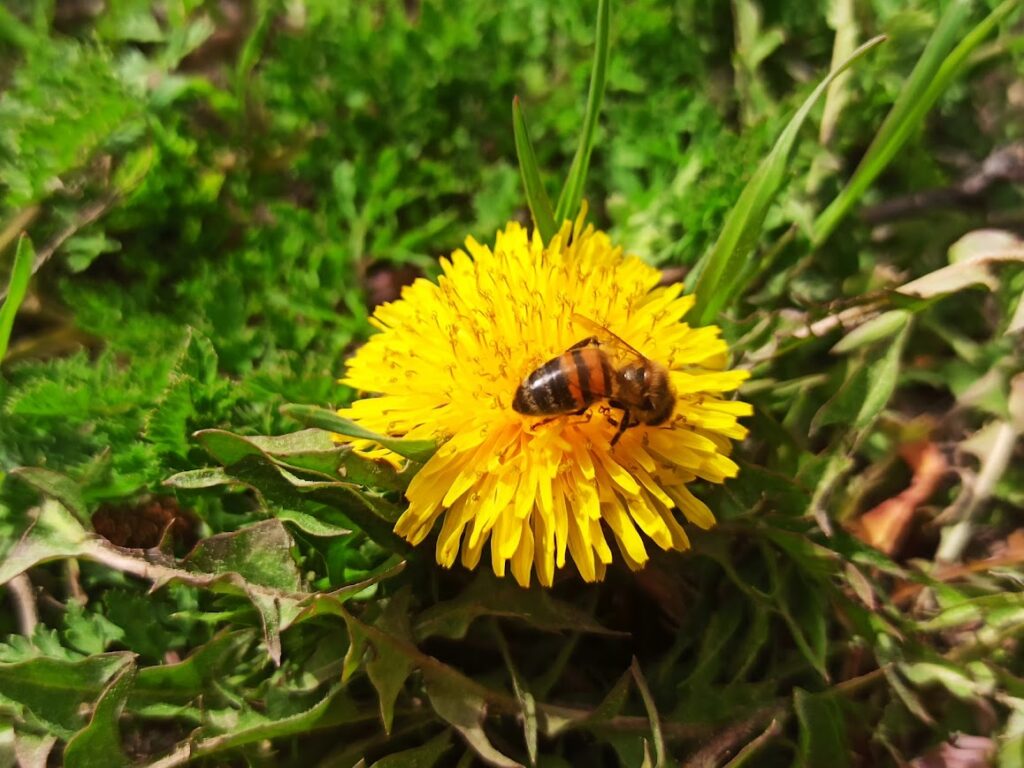
The Potential of Beekeeping in Numbers Today, beekeeping in Rind is on the rise. There are more than 30 individual beekeepers in the village who preserve and develop the sector through their hard work.
In total, there are over 200 bee colonies registered in the village. This is a significant figure that allows for the production of large quantities of high-quality honey. Today, Rind’s honey has found its way to the consumer’s table, being enjoyed across the entire republic. People value it for its purity, polyfloral (multi-flower) composition, and ecologically clean origin.
Conclusion Inside every jar of Rind honey lies a small story—from the awakening of spring orchards to the cool breezes of Spitak Vank. Thanks to the tireless work of beekeepers and the generosity of our mountains, we have a product we can be proud of. If you haven’t tasted Rind’s honey yet, you have missed out on the taste of the Vayots Dzor sun.