
 11°
11°  5 կմ/ժ


Jndrakhach
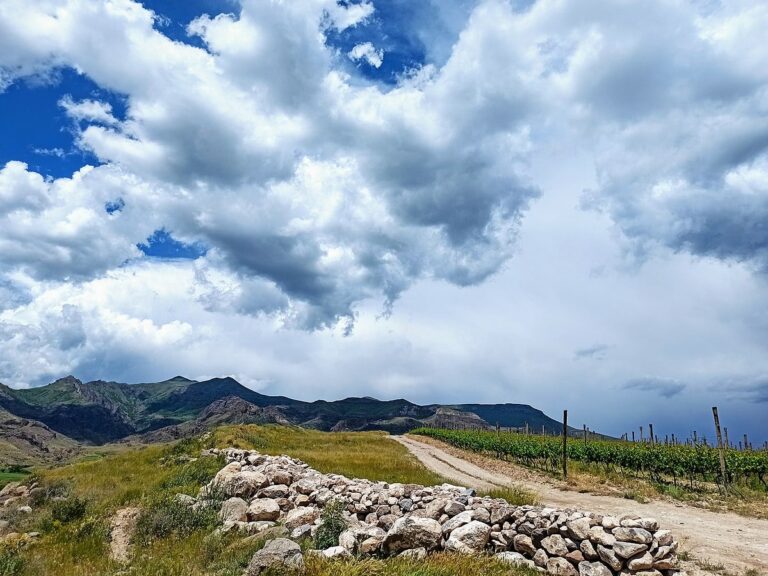
Jndrakhach (also Jndraghach; from the words jndr, Classical Armenian chandari meaning plane tree, and khach meaning cross) is a sanctuary-chapel located on the Jndraghach plateau in the northwestern part of Rind village, Vayots Dzor region.
The prism-shaped Jndraghach platform is situated 1 km northwest of the settlement. It has long been venerated as a sacred site, where Christian and pre-Christian monuments coexist. The sanctuary contains two menhirs (standing stones), while a medieval tombstone serves as a platform. In 2006, by Decree N1905 of the Government of Armenia, the chapel’s name was officially confirmed as “Jndrakhach.”
Etymology
The name of the sanctuary consists of the words jndr and aghach. In Turkish, aghach means “tree.” There are two main theories regarding the root jndr. According to the first, it is derived from the Classical Armenian word chandari (plane tree), undergoing a phonetic shift. According to this version, a sacred plane tree once stood at the site, reflecting the ancient Armenian tradition of plane tree worship. The second version suggests it comes from the local dialect words jinkur or jnta, meaning rags, tattered clothes, or scraps of fabric (referring to the tradition of tying fabric scraps to sacred trees).
History
The Jndraghach plateau, located between Old Rind and the formerly Turkish-populated Chiva, is known in modern history as a battlefield of numerous Armenian-Turkish clashes. Of particular significance is the great battle of November 29, 1919, when the platoons and militia of Aghavnadzor and Rind crushed and drove out the Turkish raiders from Sharur. These forces, led by Khalin Bey, were advancing through Chiva toward Rind and Aghavnadzor.