

Vardanes Settlement
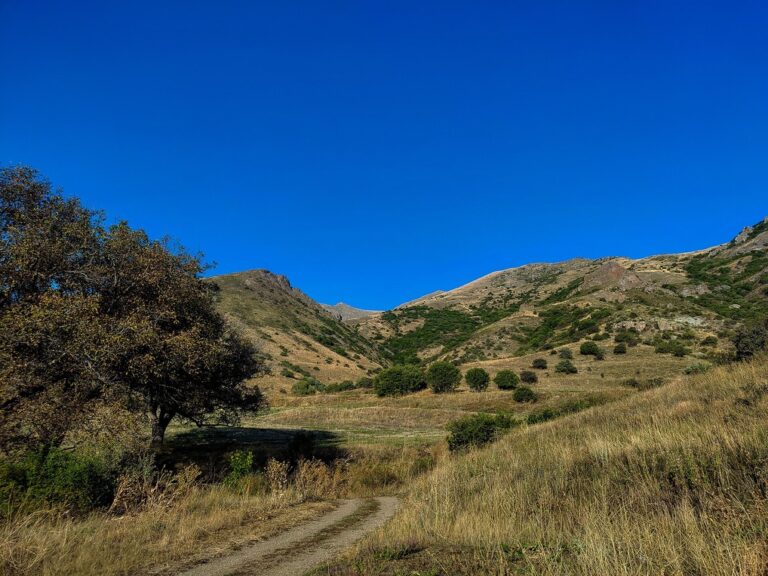
Vardanes is an ancient historical settlement in the Vayots Dzor canton of Greater Armenia. It is located in the middle reaches of the Ynkuzats River, in a gorge descending from Drakhtisar to Yelpin. The village was abandoned and became uninhabited in the 1940s-1950s.
Vardanes is considered one of the oldest settlements in Vayots Dzor. The renowned Armenian scholar Ghevond Alishan identifies this settlement with the historical village of Vardenik. According to the old tax registry of the Tatev Monastery compiled by historian Stepanos Orbelian, the settlement paid 10 units of tax, which suggests that it was a medium-sized village in the Middle Ages.
The area stands out with its rich and unique historical and cultural monuments:
- Khachkar Art: The settlement is rich in khachkars (cross-stones), and the nearby rock massif is completely covered with carved crosses. About 1 km northeast of the village itself, the ruins of a church and old tombstones have been preserved. A highly artistic, large rock-carved double-cross khachkar, dating back to 1306, is also located here.
- Hydro-structure (Watermill): A unique stone hydro-structure has been preserved in the territory of the settlement, standing 5 meters high and over 1 meter in diameter, which once powered the local watermill. In September 2023, this stone structure officially received the status of a historical and cultural monument.
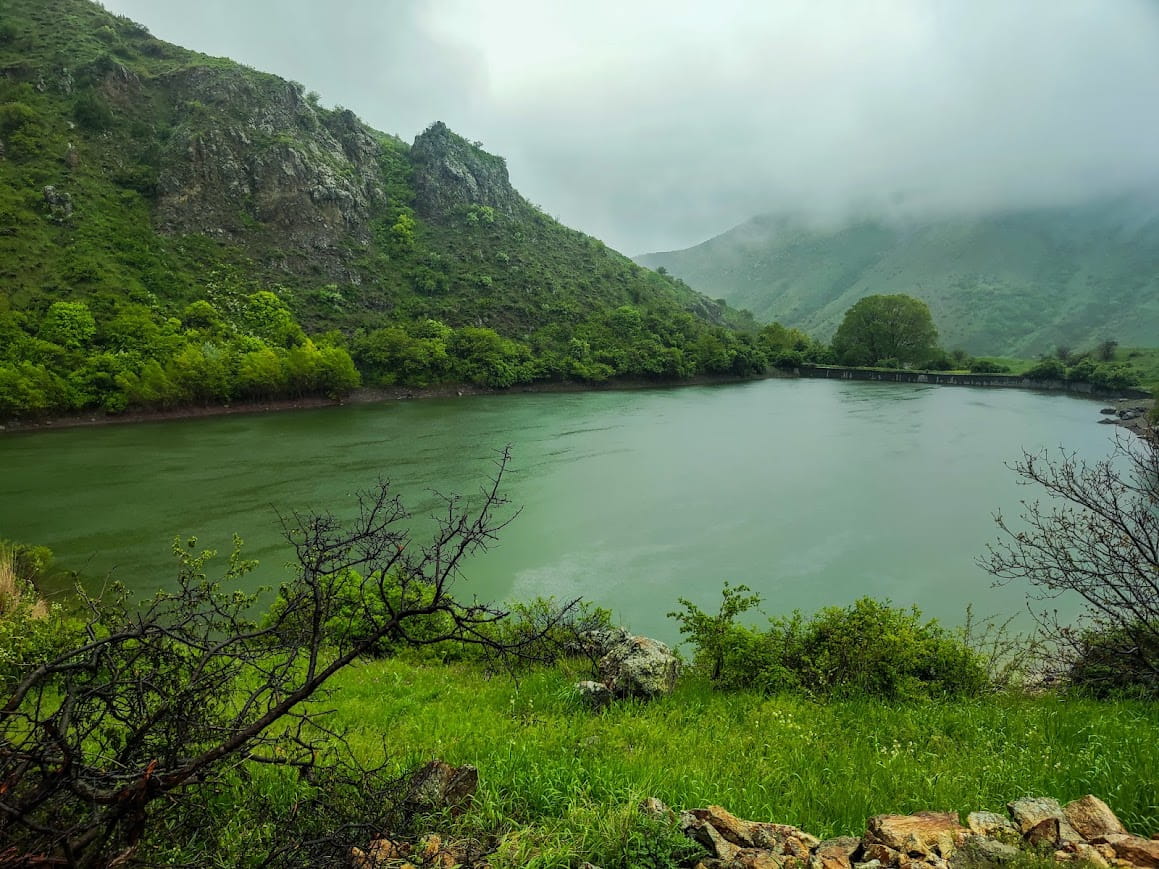
In the southwestern part of the settlement lies Lake Vardanes. The lake and its adjacent complex are included in the state list of natural monuments of the Republic of Armenia, emphasizing the high environmental value of the area.
Geographically, another prominent historical settlement, Spitak Vank, is located to the northeast of Vardanes.