 16°
16°  12 կմ/ժ


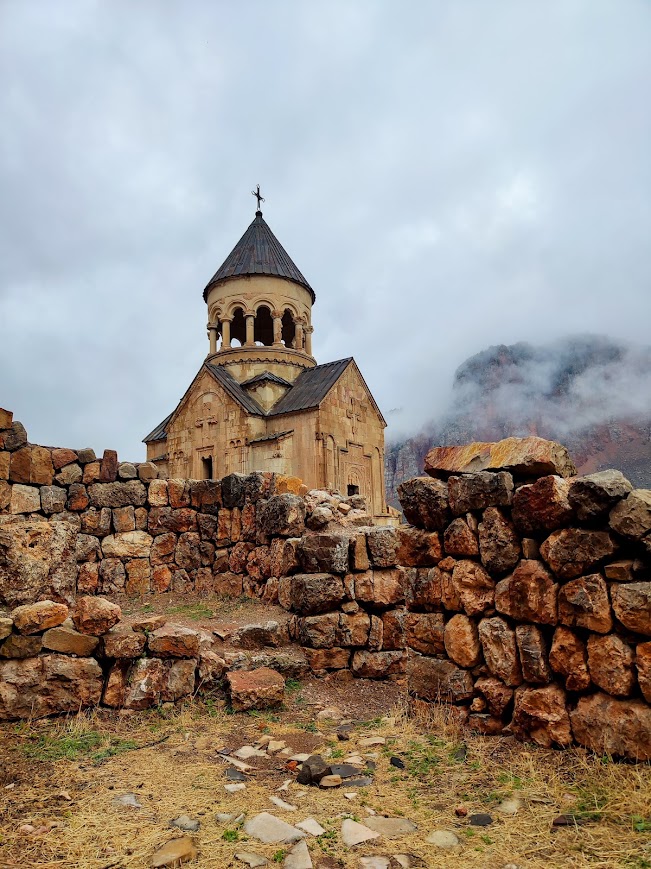
Among the majestic and mysterious structures created by humanity, the Noravank monastic complex holds its unique and irreplaceable place. Nestled in the embrace of reddish cliffs, this sanctuary has been one of the major spiritual, educational, and cultural centers of Armenians for centuries. Once the seat of the Syunik metropolia and the ancestral mausoleum of the Orbelian princes, Noravank became the unsurpassed crown and pride of medieval Armenian architecture.
Momik
The name of Noravank is inextricably linked with the genius medieval architect, miniaturist, and sculptor Momik. He lived and created on this very land—in the historical settlement of Ulgur (4-5 km north of the present-day village of Rind). The ornaments and khachkars (cross-stones) created by his breath and God-given talent turned solid rock into delicate lace, overcoming the weight and materiality of the stone.
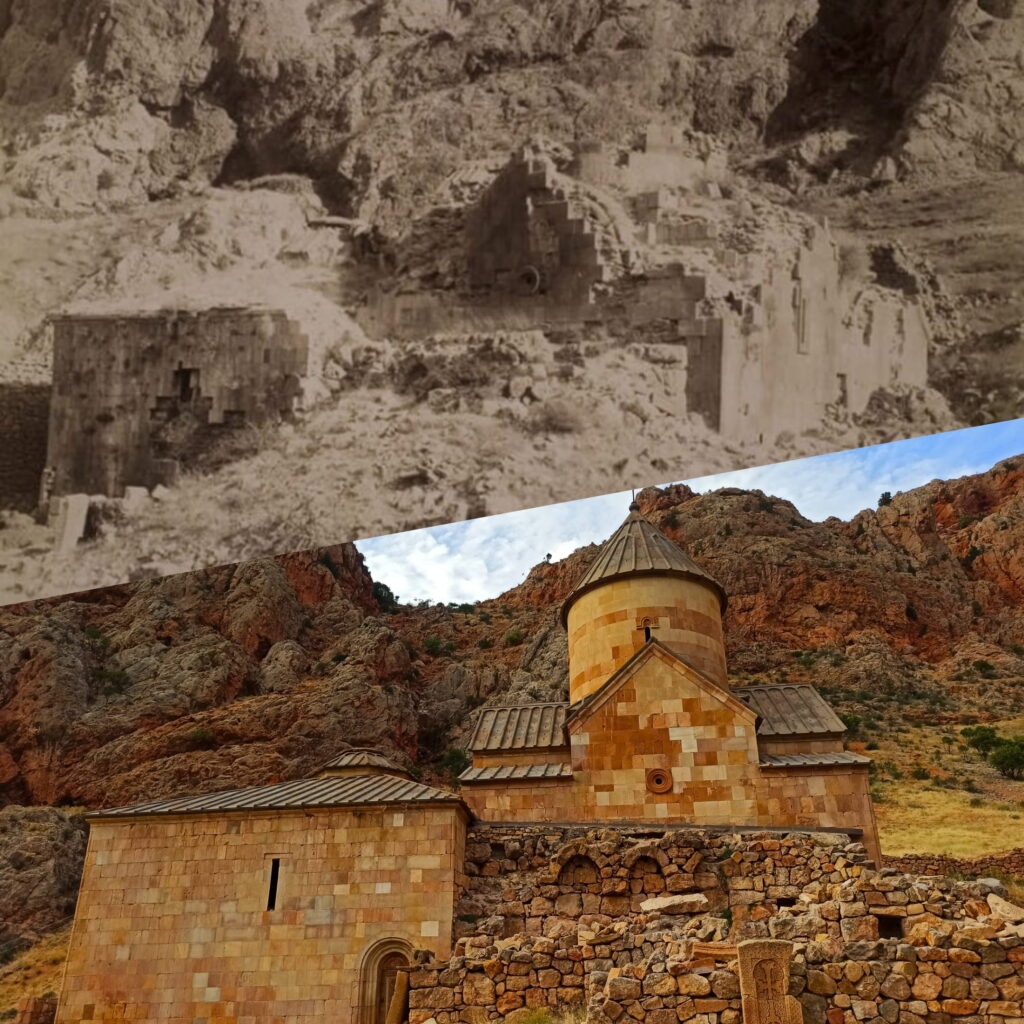
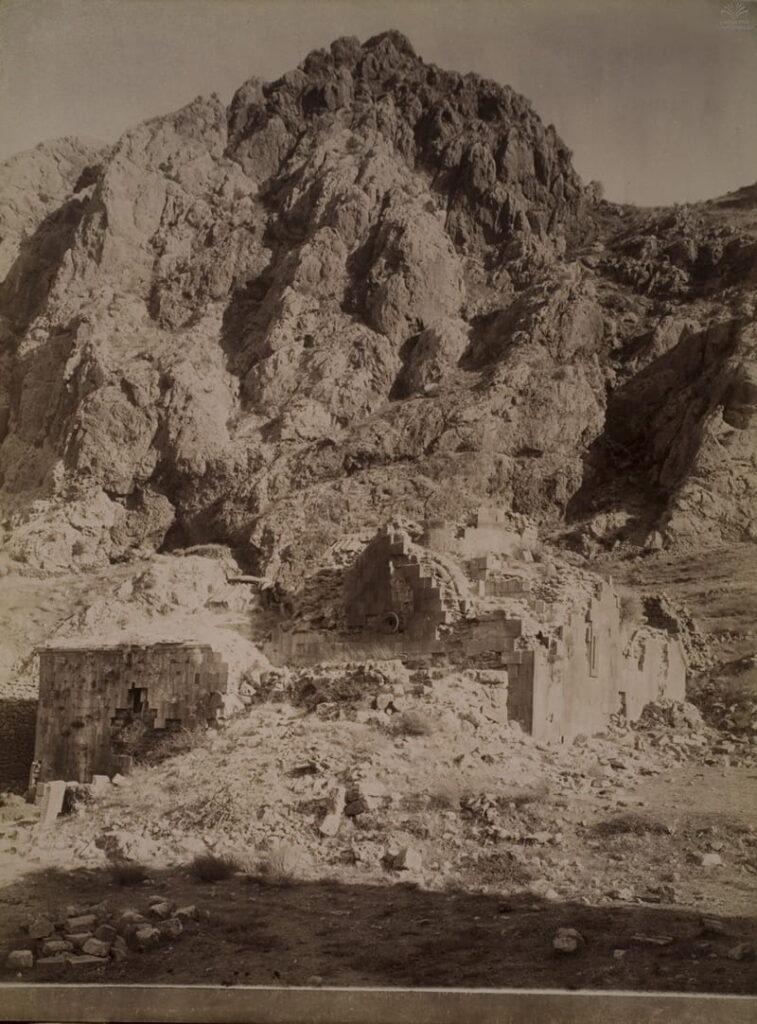
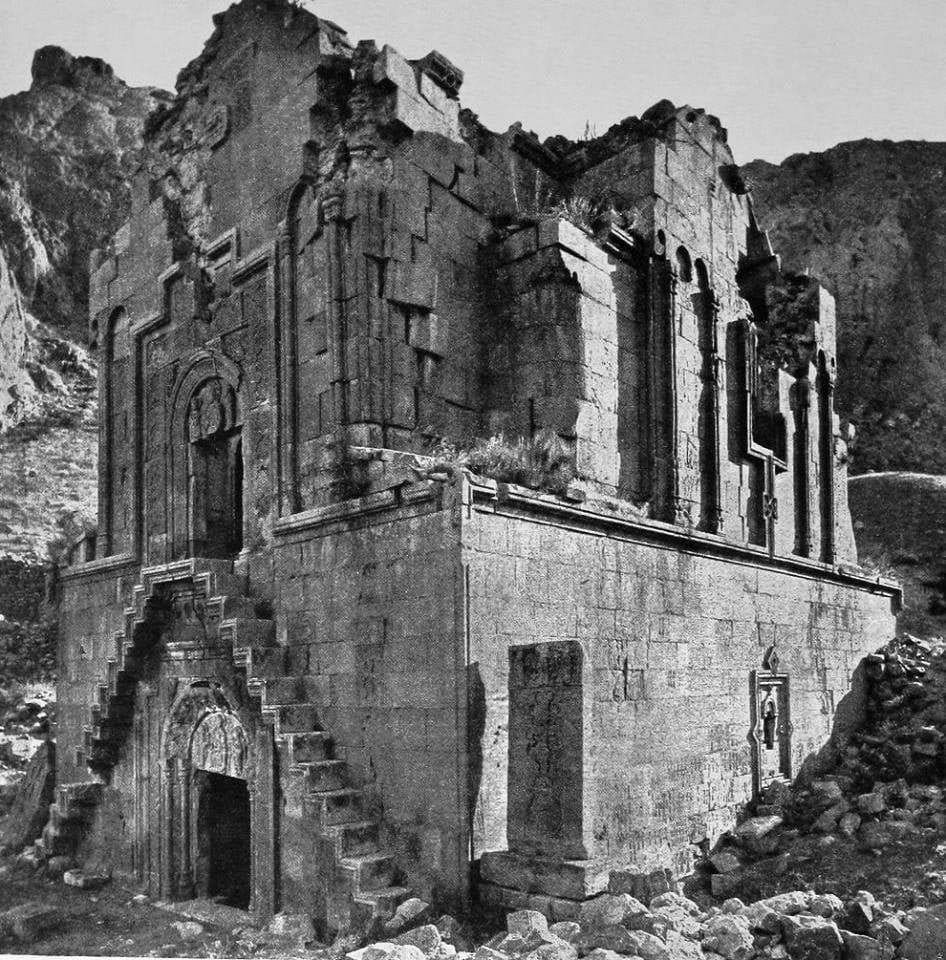
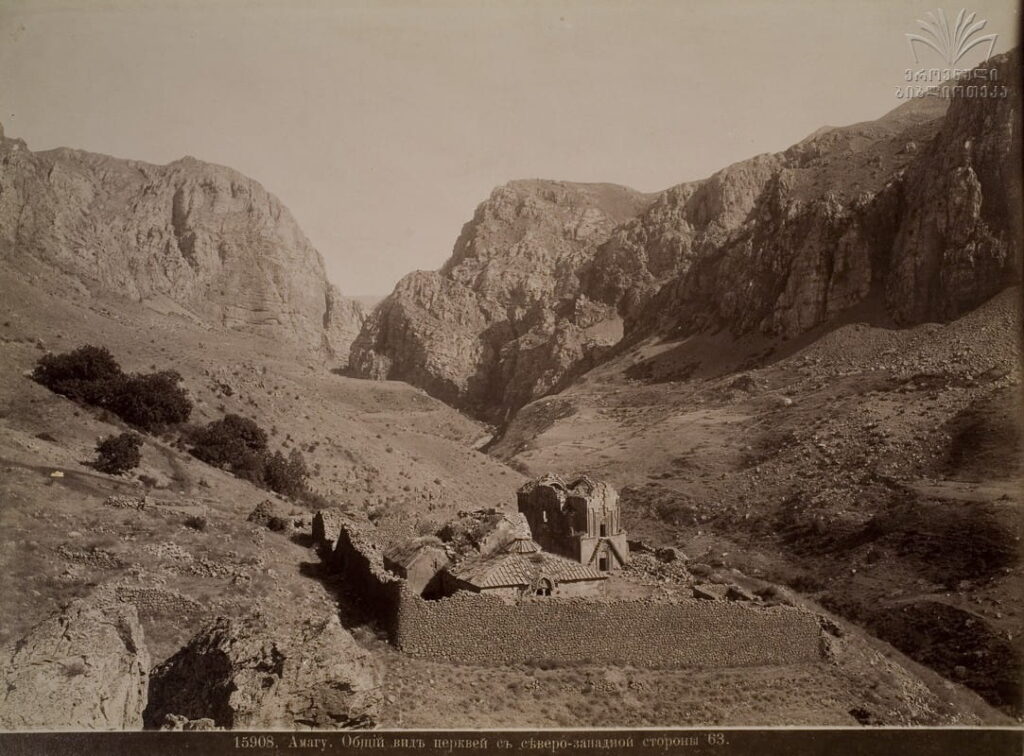
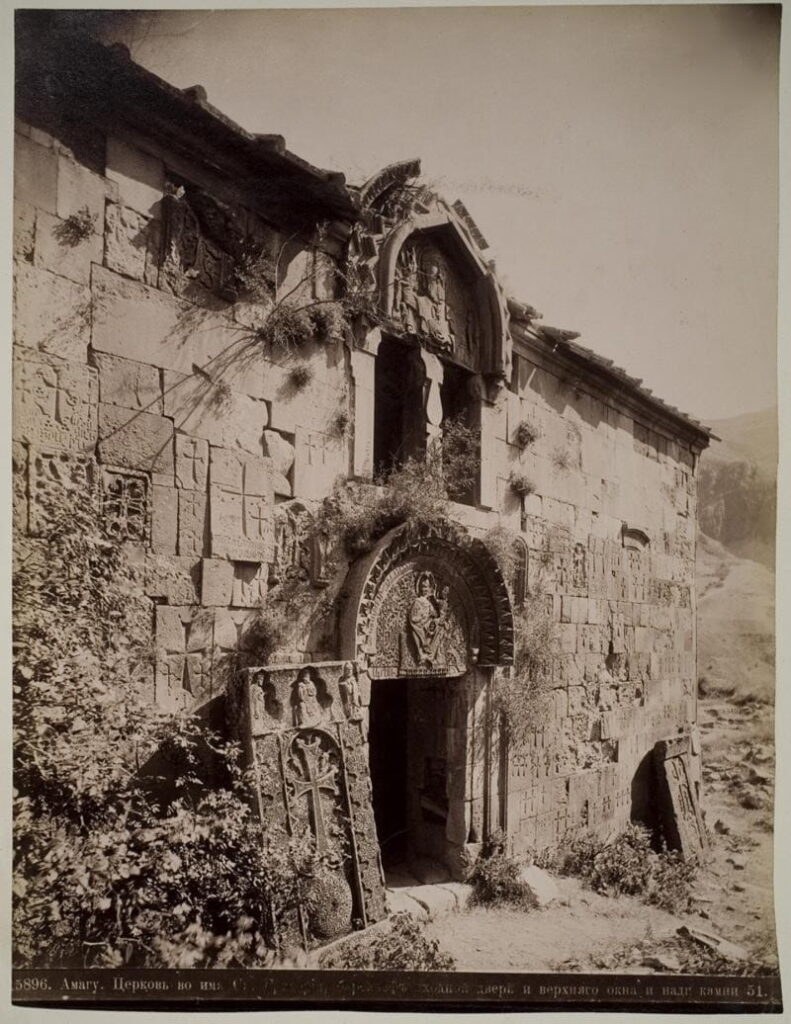
However, the wheel of history was ruthless towards this architectural marvel. Over the centuries, devastating earthquakes and endless invasions by enemy hordes inflicted deep wounds on the monastery. The scale of the historical devastation becomes most evident when we examine the archival shots taken by the famous Russian photographer Dmitry Ermakov in the 1890s. In those photographs, Noravank appears in a ruined and dilapidated state: collapsed domes, scattered fragments all around, and greatness buried under the cruel dust of time.
Rebirth and Devotees
They say the earth itself gives birth to its children, and it heals its own wounds through the hands of those very children. Just as Momik, a son of this land, built Noravank centuries ago, so too, centuries later, the sacred mission of raising the complex from the ruins and giving it a second breath was placed on the shoulders of local masters.
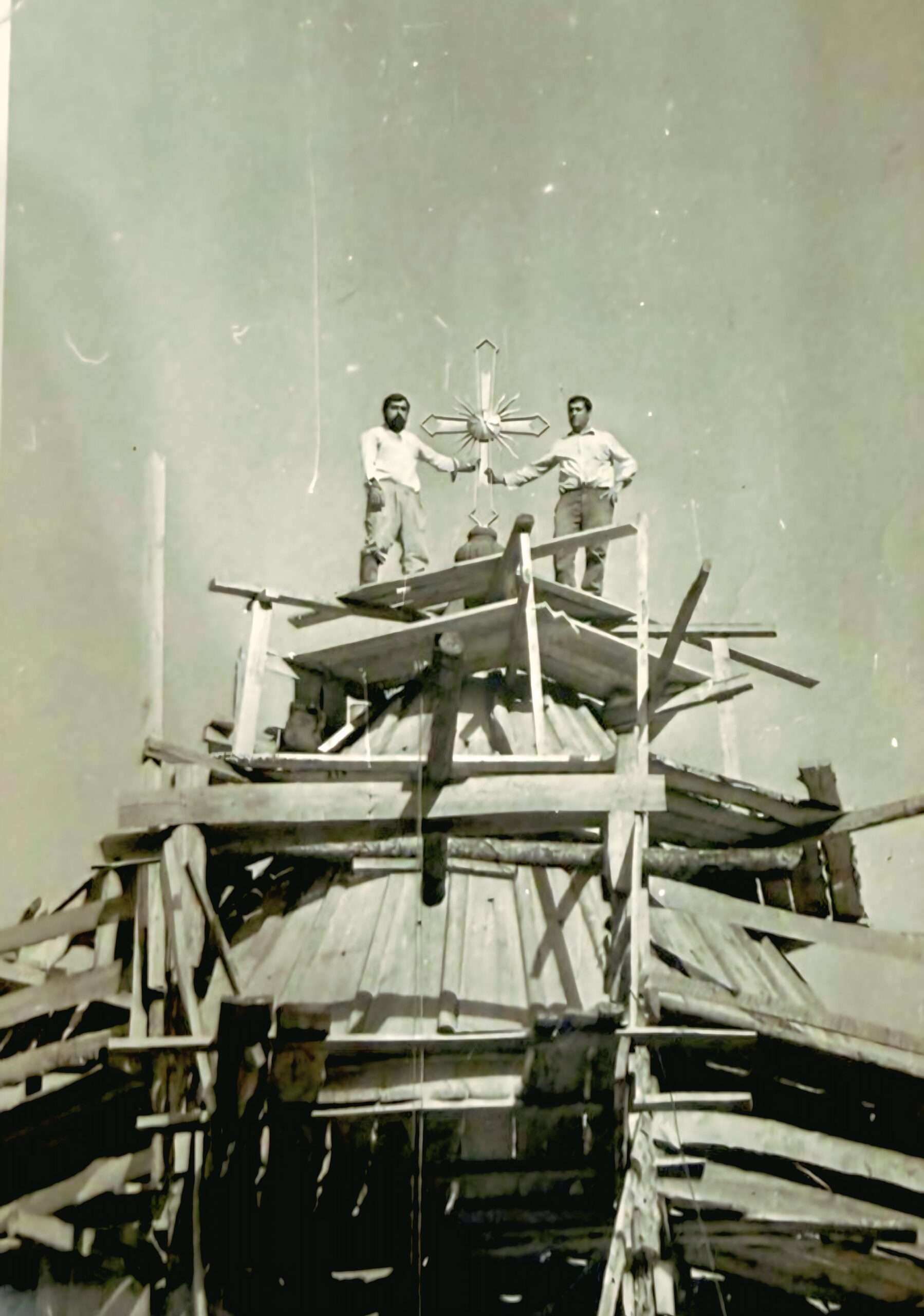
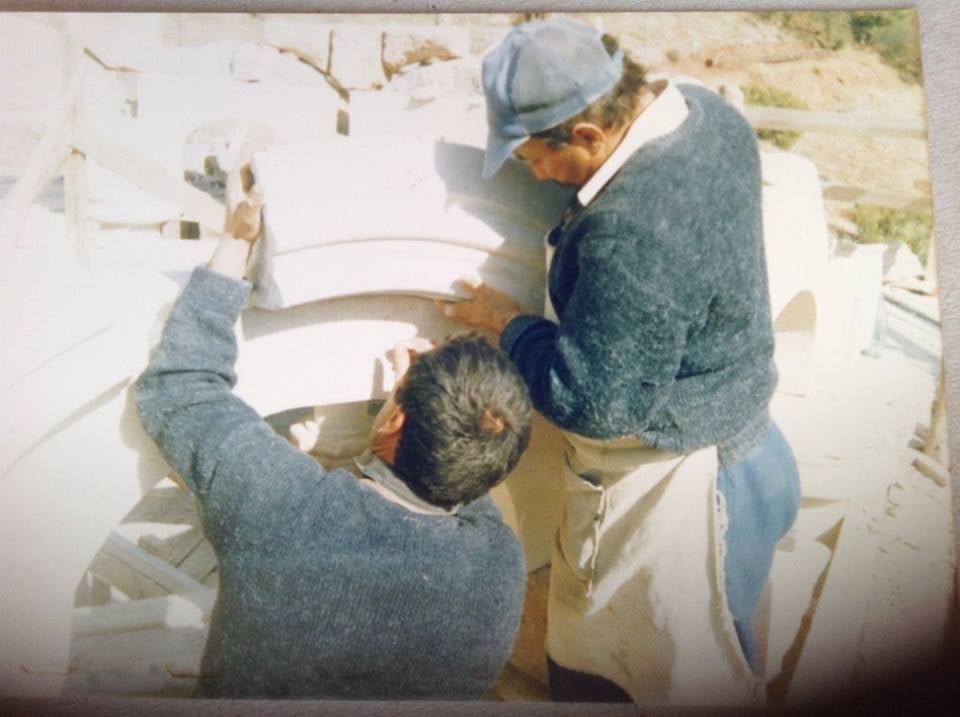
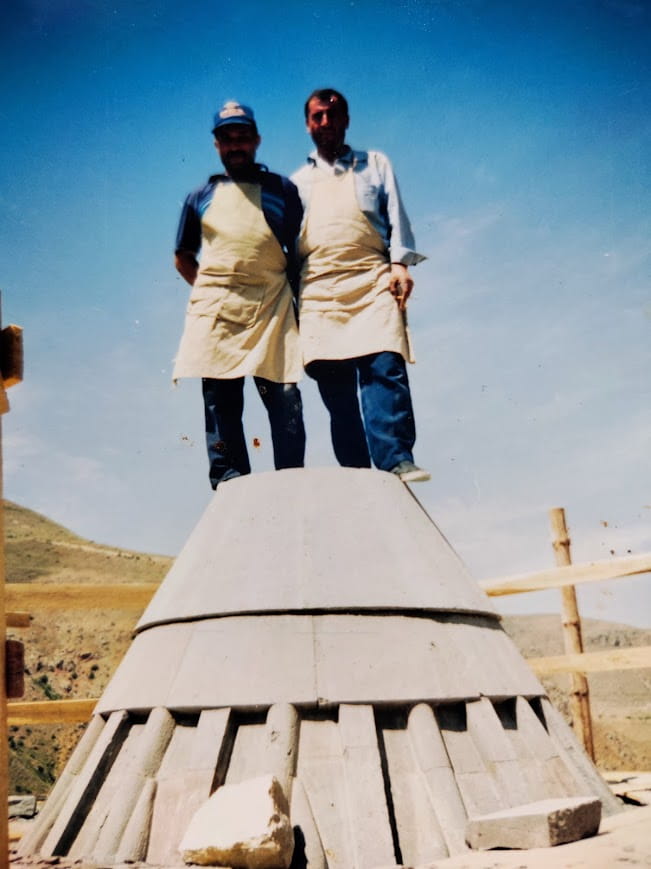
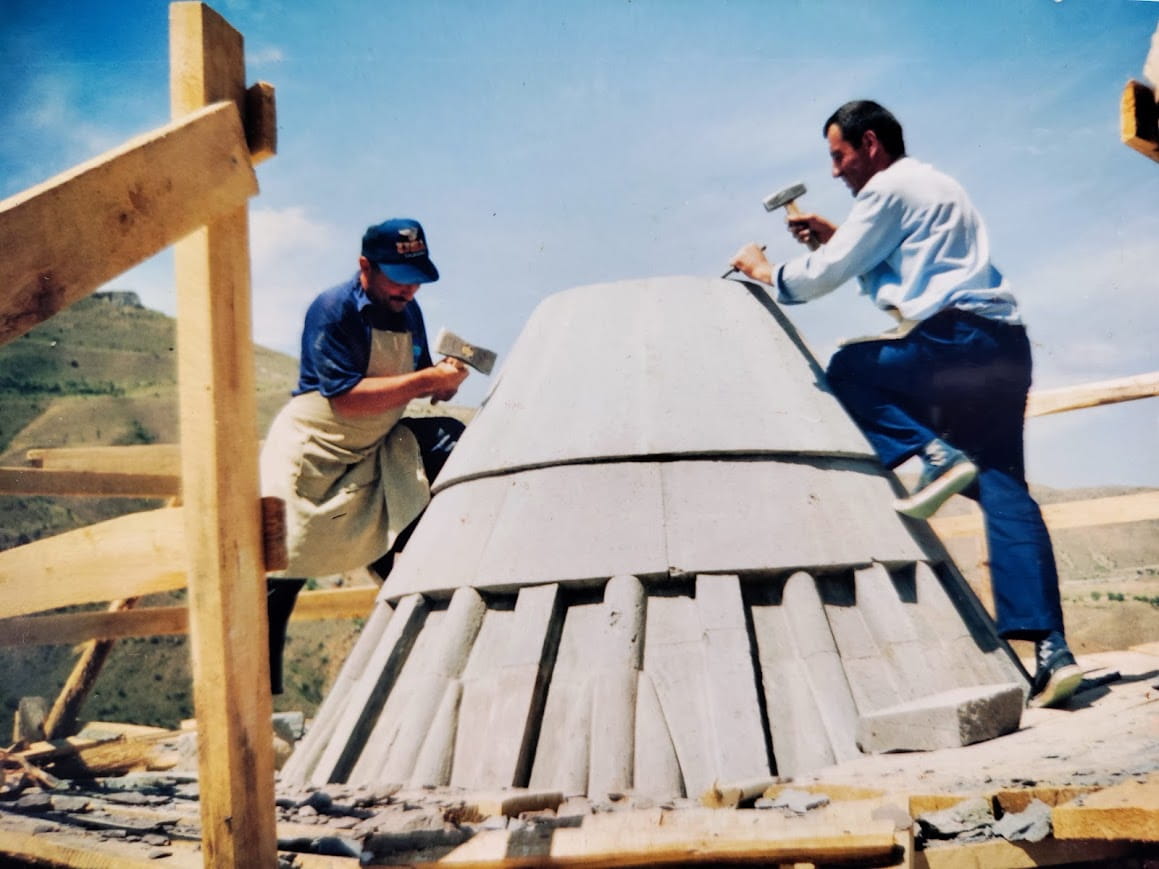
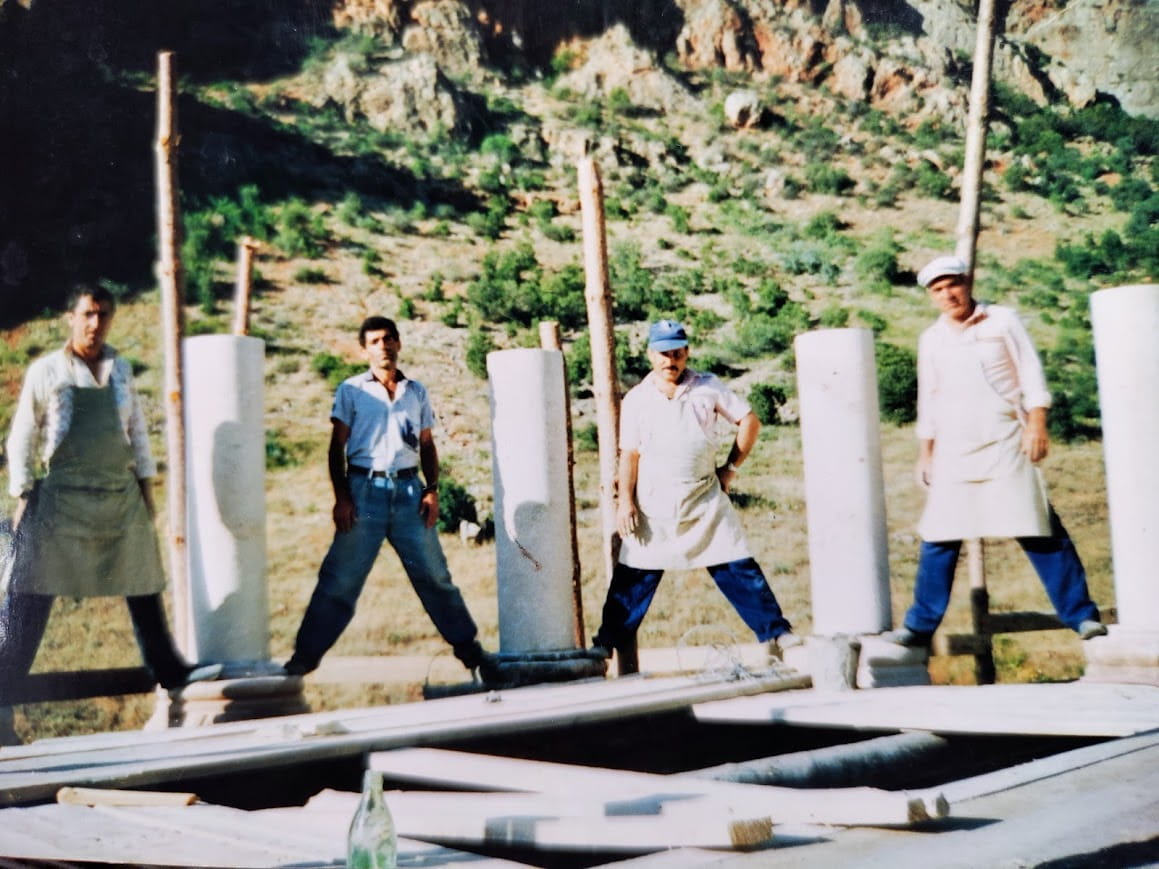
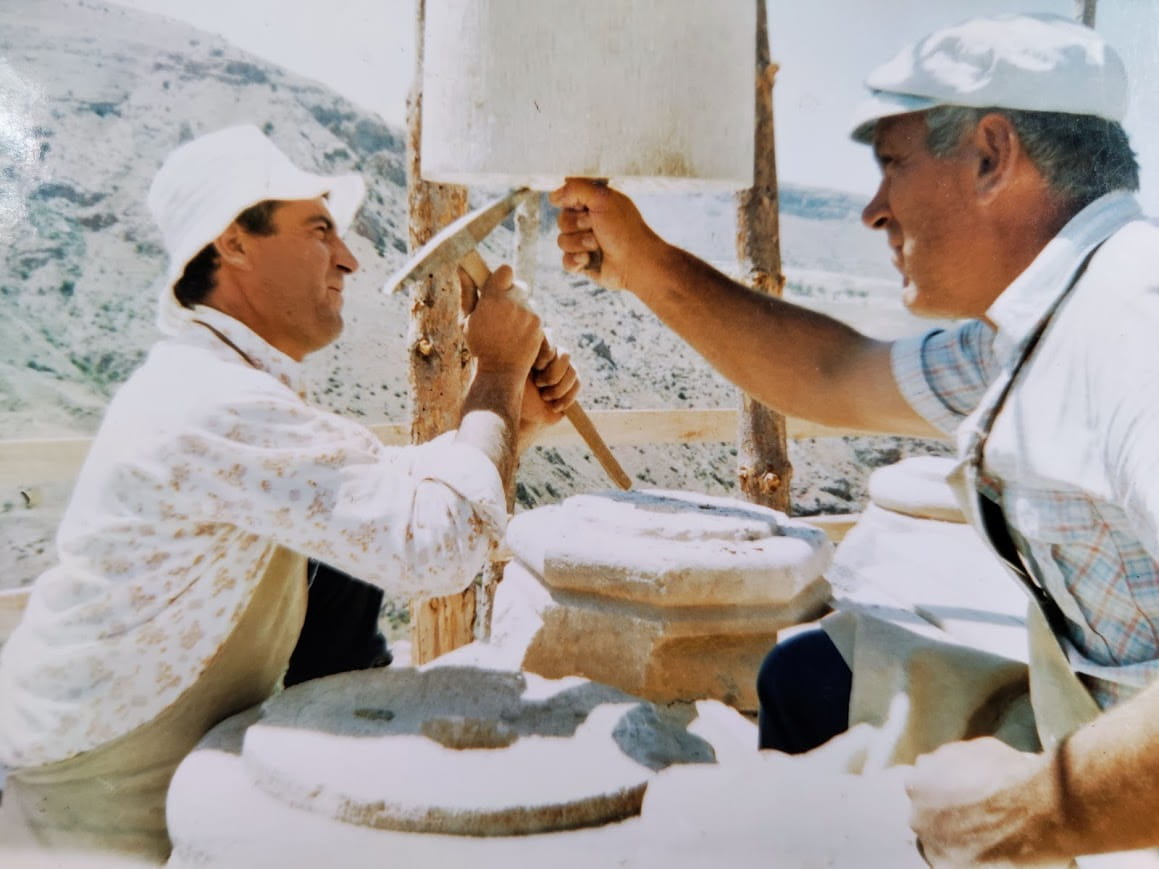
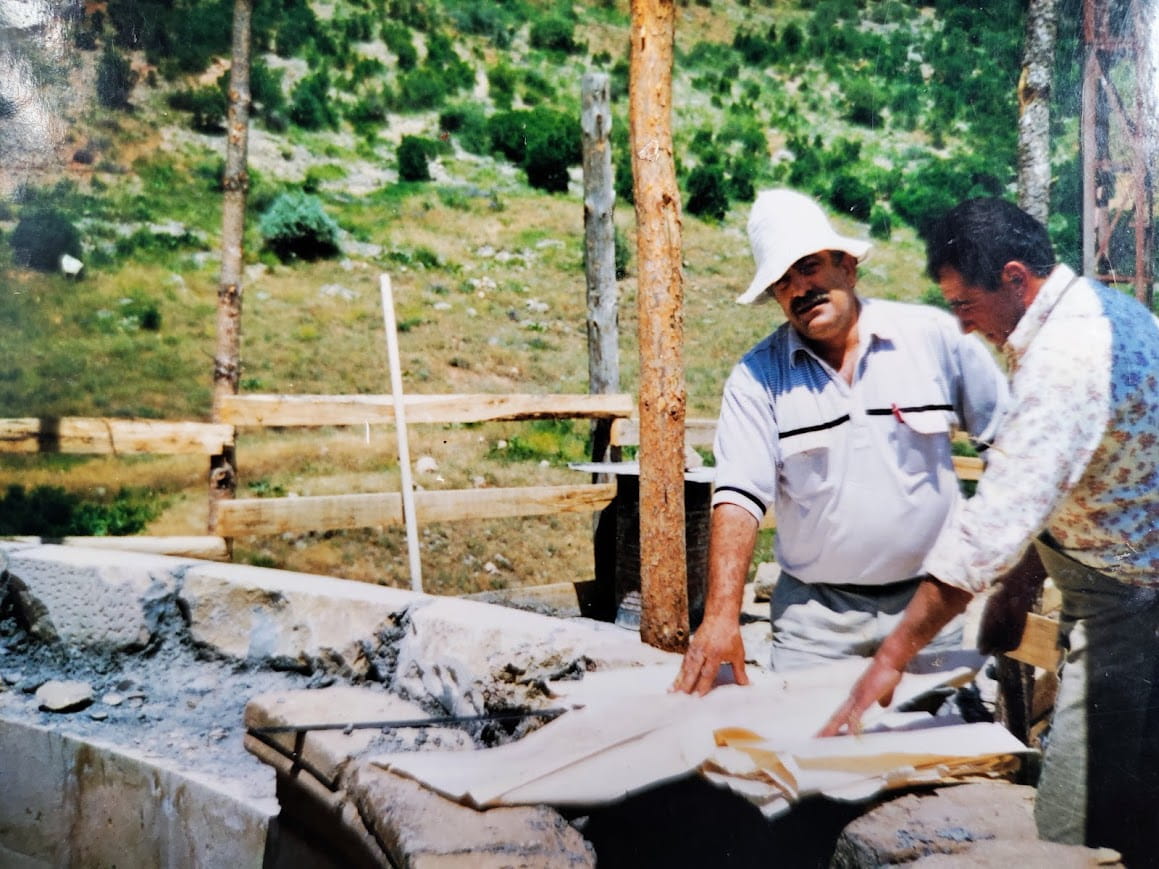
In the late 1980s, the greatest work of restoring Noravank began. The author of the complex and multi-layered restoration project was the esteemed architect Hrachya Gasparyan. However, the superhuman task of turning the architectural blueprint into stone, flawlessly returning each historical fragment to its exact place, and giving new life to the monastic monument was entrusted to local stonemasons. They were not merely builders; they were men in whose veins flowed the blood of ancient masters.
The majestic appearance with which Noravank proudly welcomes thousands of visitors from different corners of the world today is the result of the unreserved devotion and grueling work of our fellow village masters.
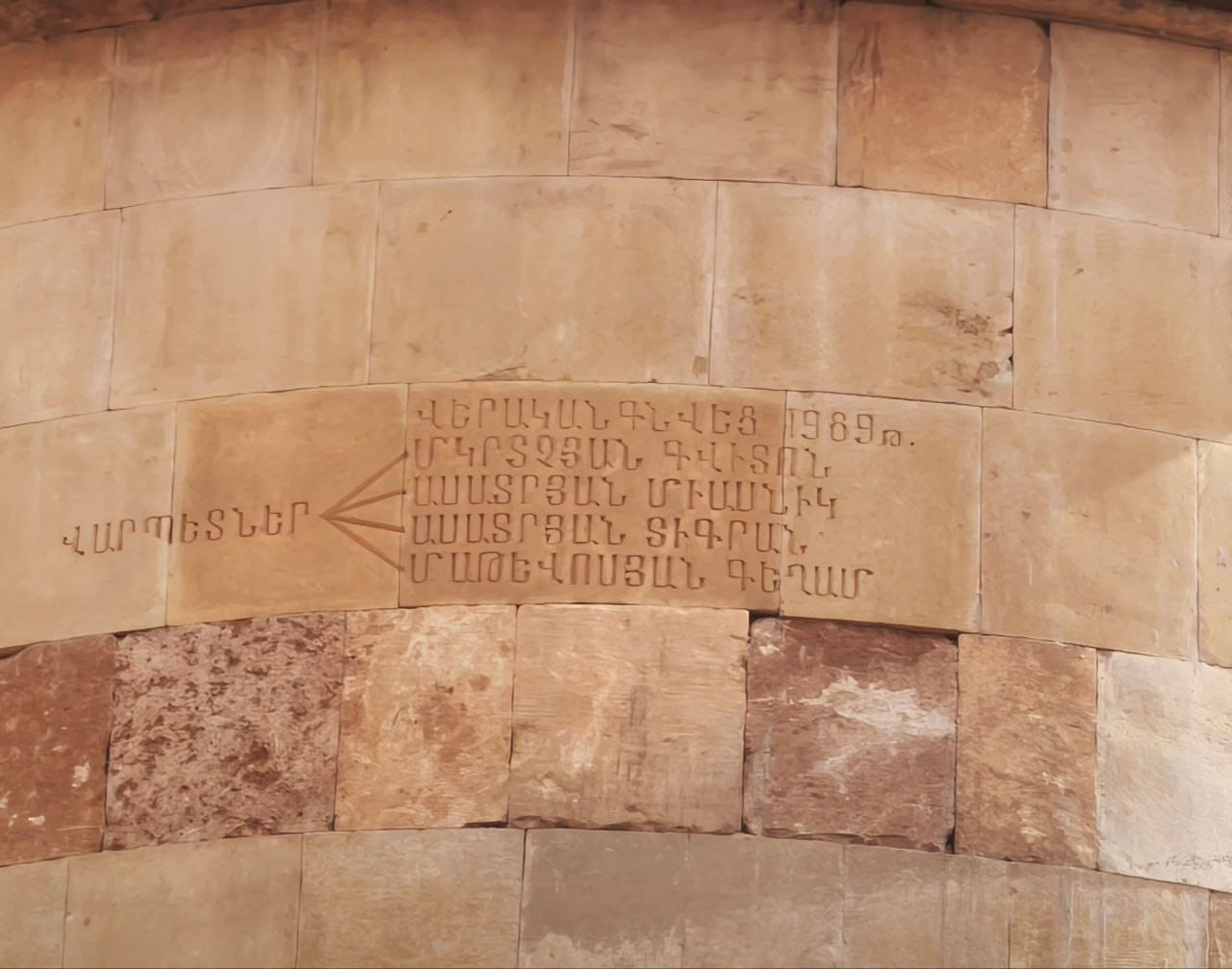
To mark this historical rebirth, on the northwestern side of the dome of the Surb Stepanos church, with a small and modest engraving, the names of the complex’s restorers are immortalized to this day:
Restored in 1989. Masters:
Mkrtchyan Gviton,
Asatryan Myasnik,
Asatryan Tigran,
Matevosyan Gegham
These names are not simple inscriptions carved on stone; they are the living continuation of the village of Rind, its history, and its glorious lineages.
Masters Myasnik and Tigran Asatryan descend from the Melik-Safar lineage, being the worthy descendants of Asatur, the son of Bali.
Equally proud is the presence of master Gegham Matevosyan, who is also a worthy son of the village of Rind. Master Gviton Mkrtchyan is from the village of Aghavnadzor.
Today, when we compare Dmitry Ermakov’s photographs with modern-day shots, it is impossible not to admire the high mastery with which this work was carried out. Our masters not only joined stones together, but they also restored the historical memory, faith, and architectural dignity of our people.
Through their work, the masters of Rind proved that the rich legacy left by Momik lives on not only in the patterns of ancient khachkars but also in the minds and arms of the people born on this land.